
WELLNESS EDIT
When Routine Returns
By Amanda Chirumbolo-Miller, Founder of ALLORA Health + Wellness

September 2026
On re-entry, recalibration, and meeting the new season with intention rather than endurance
Something shifts in September. Not gradually, the way seasons usually move, but seemingly all at once. The alarm goes off earlier. Backpacks are by the door. Work picks up. The calendar, which spent the summer breathing a little more loosely, is suddenly full again in ways that feel both familiar and startling.
For parents, there is the particular recalibration of a household finding its rhythm again. School mornings, after-school schedules, activities, lunches, pickups, and the mental load of coordinating it all return almost overnight. There can be relief in the structure. And underneath it, something quieter. The house feels different. The days have a different shape. Something that belonged to summer is gone, and there was not quite enough time to say goodbye to it.
For those without children in school, September arrives differently but with its own weight. Workplaces return to a fuller pace. Summer plans wind down. The year is suddenly in its final third, and somewhere in the background, the awareness that the holidays are closer than they feel comfortable admitting begins to surface.
What both experiences share is this: September is a threshold that tends to arrive whether we feel ready for it or not.
The Body Notices Change, Too
This is worth saying plainly, because it is easy to overlook: the nervous system responds to transitions, even welcome ones. Structure can be genuinely regulating. Predictability, routine, and rhythm give the body something to orient around, and after the looser cadence of summer, there may even be a part of us that welcomes the return of steadiness.
But adjusting to a new pace takes time, and September does not always leave much room for it. Within the span of a single week, many people move from the relative ease of late summer into earlier mornings, fuller schedules, increased coordination, and a social and professional pace that picks up all at once. The body adapts, but that adaptation still requires energy. Even when a transition is chosen, positive, or familiar, change creates demand.
This may be why September can feel difficult in ways that are hard to explain. Nothing is necessarily wrong. Life is simply full again. And yet there is a friction to these first weeks, a low-grade fatigue that can leave us wondering why we feel depleted when we were supposedly ready to return.
Maybe we were ready. Maybe the body simply needed a little more time than the calendar allowed.
Ease Into the Rhythm
There is a difference between snapping back into routine and easing into it. The first treats September as a switch to be flipped. The second allows it to be a transition, which is what it actually is.
Most of us default to the first. The structure returns and we immediately try to match it, adding the pressure to perform the transition well on top of the transition itself. We expect to feel settled before we have had any time to settle. The nervous system finds its footing differently. Familiarity develops through repetition. Small, consistent patterns accumulate into a felt sense of steadiness, and eventually the morning that once felt chaotic becomes familiar, the schedule that required constant thought begins to feel more automatic, and the new rhythm starts to feel like your own.
Getting there does not require a grand overhaul. It may simply require a few deliberate points of steadiness woven into the routine as it forms.
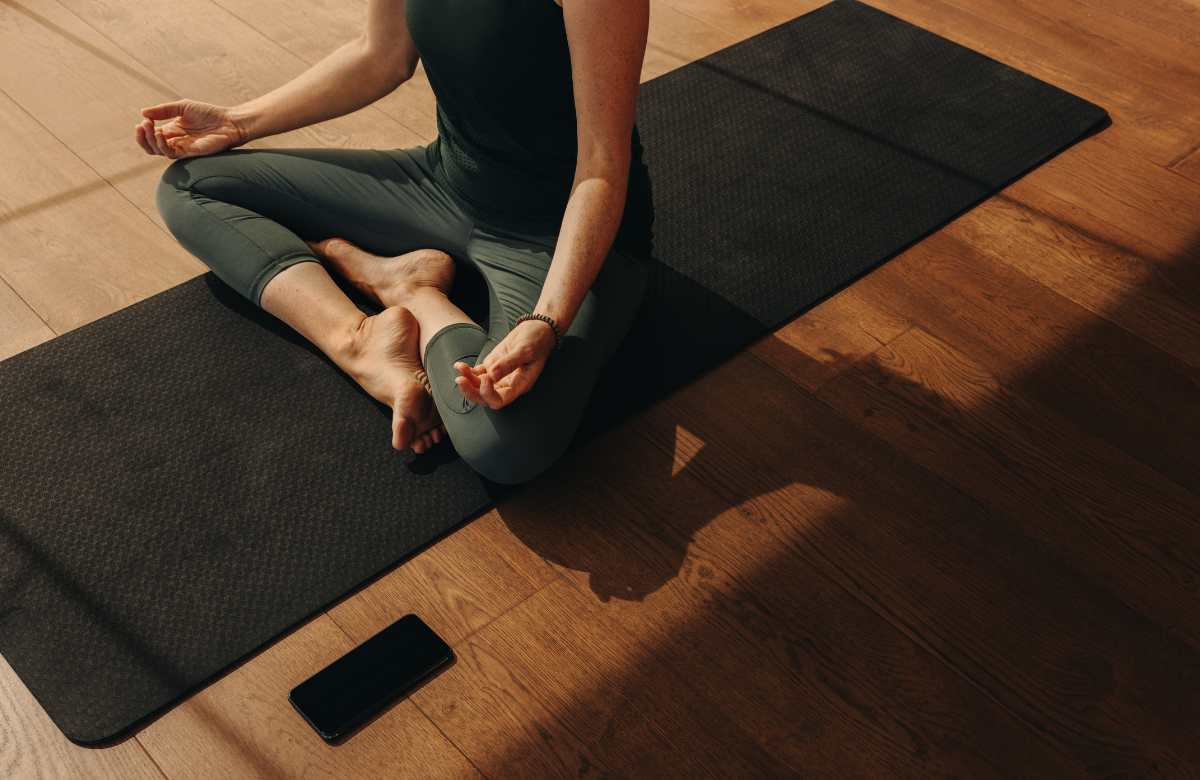
- A morning that begins with one quiet moment before the demands of the day arrive.
- A transition between work and home that is a genuine transition, rather than simply carrying one part of the day into another.
- An evening that winds down with some consistency, signaling to the body that the day is complete.
- One thing each week that belongs to you, rather than to the schedule or someone else's needs.
- Permission to feel the friction of adjustment without interpreting it as failure.
These are not indulgences. They are small ways of helping the body recognize where it is and settle into what is becoming familiar. The nervous system recalibrates faster when it is supported than when it is simply pushed through.
Before the Year Speeds Up Again
September also carries something else worth noticing before the momentum of the final months begins to build. We are standing between seasons and between chapters of the year. Much of 2026 is behind us, while the intensity of what comes next has not quite arrived. That makes this a natural moment to pause and take stock, not with judgment, but with genuine curiosity.
What has this year asked of you? What has supported you? What are you still carrying that you no longer need? And how do you want to feel as you move into the months ahead?
The holidays will arrive with their own energy and their own demands. But they are not here yet. September can still be a place of beginning rather than urgency, and you do not have to arrive at October already depleted.
Routine is returning. The rhythm of the year is finding its shape again. That is not something to brace against. It is something you can meet, gently and intentionally, one morning at a time, until the new rhythm feels like yours and the season ahead feels less like something happening to you and more like something you are moving through with care.
The year is not over. You are not behind. You are simply finding your footing in a new season, and you are allowed to take the time it takes.

Leave A Comment