
Another day of summer rain brings depressed looks and complaints from “normal” people, gardeners sympathetically nod but are smiling on the inside while listening to the grumblings of others about the weather.
When gardeners gather, they gleefully recount an incredible season that turned the garden into a carefree jungle. Yes, the weeds have flourished, but not having to water the garden, containers and even hanging baskets makes weeding a joy. They pull out easily from the moist soil.
After such a wet summer the landscape is primed for planting, and the time has come to begin adding perennials to the garden. They are planted now and return year after year, in many cases increasing in size every season.
When thinking of what to plant it’s important to pick the right plant for the right place. It’s hard to grow a sun lover in deep shade and visa versa. Deer resistance is also critical if the four-legged marauders are a problem.
There are many other considerations, but one of the most important is how the plants can attract pollinators. In general, native pollinators are in decline along with honeybees. When gardeners help the good bugs, they in turn help the garden.
One of the most important parts of planting is improving the soil with organic matter like compost or well-aged animal manure. Working the good stuff into the soil will give the plants everything they need. The soil amendments can be bought by the truckload or by the bag at garden centers.
In full sun one of the easiest plants to grow are coneflowers. The prairie plant is carefree along with being drought and deer resistant. Once known only as purple conflowers, breeders have created many shapes, colors and sizes. When planting with pollinators in mind, it’s critical to choose single flowers as opposed to doubles regardless of the plant. A double flower is sort of fluffy and makes in hard for the pollinators to get what they need from the bloom.
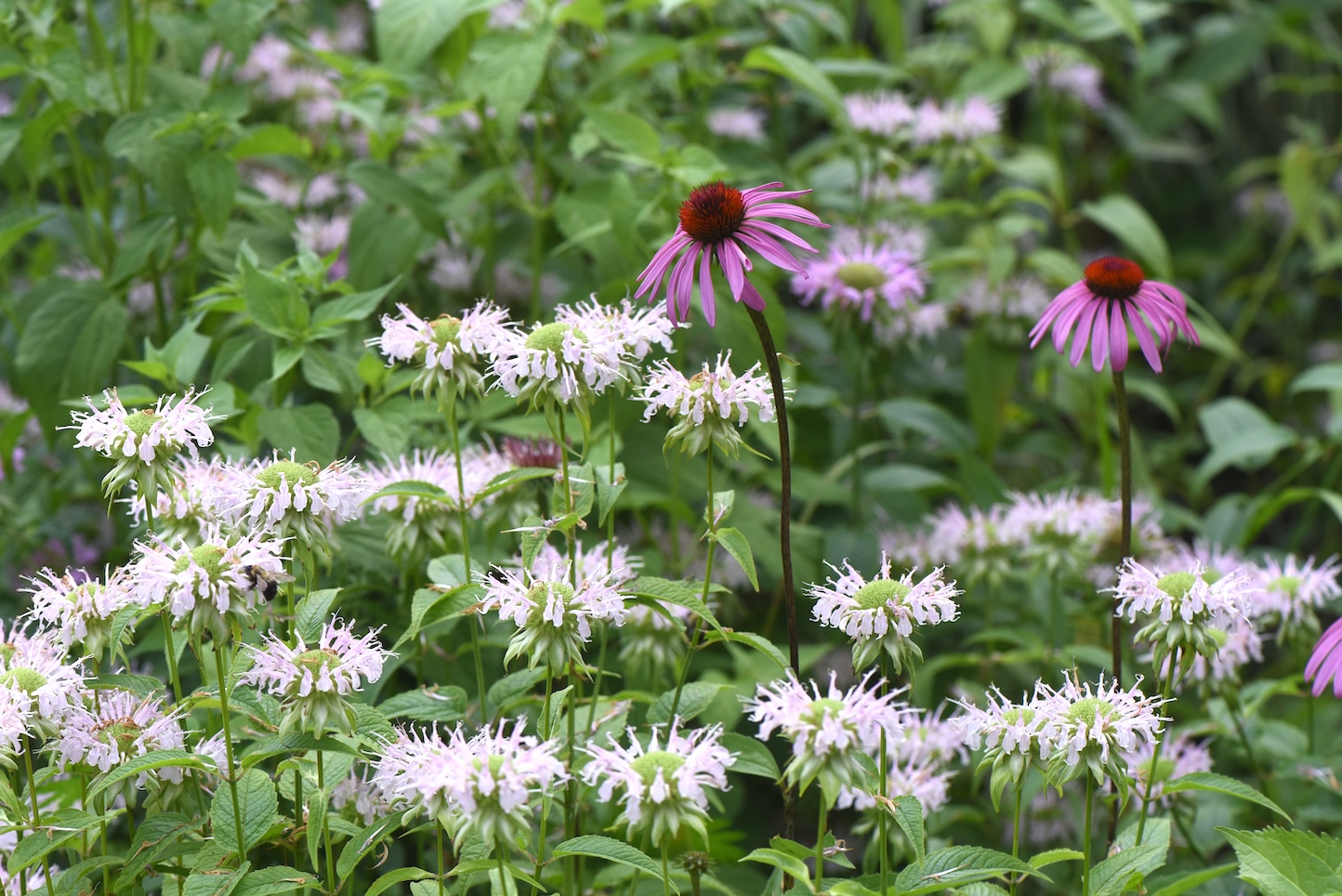
Coneflowers pair well with bee balm another great pollinator plant, which the deer don’t enjoy. One trick for the monarda (bee balm) is to remove spent blossoms, water and fertilize to hopefully get another flush of flowers.
The coneflowers not only help pollinators, but their seeds are a treat for the birds too.
Like other perennials, once the soil is amended the plant is put into the soil, watered and mulched. If the rain ever stops, the plant will need water about once a week until the ground freezes solid. That will give the perennial a chance to get established.
Proper mulching looks like a donut not a volcano and mulch never touches the bottom of the plant.
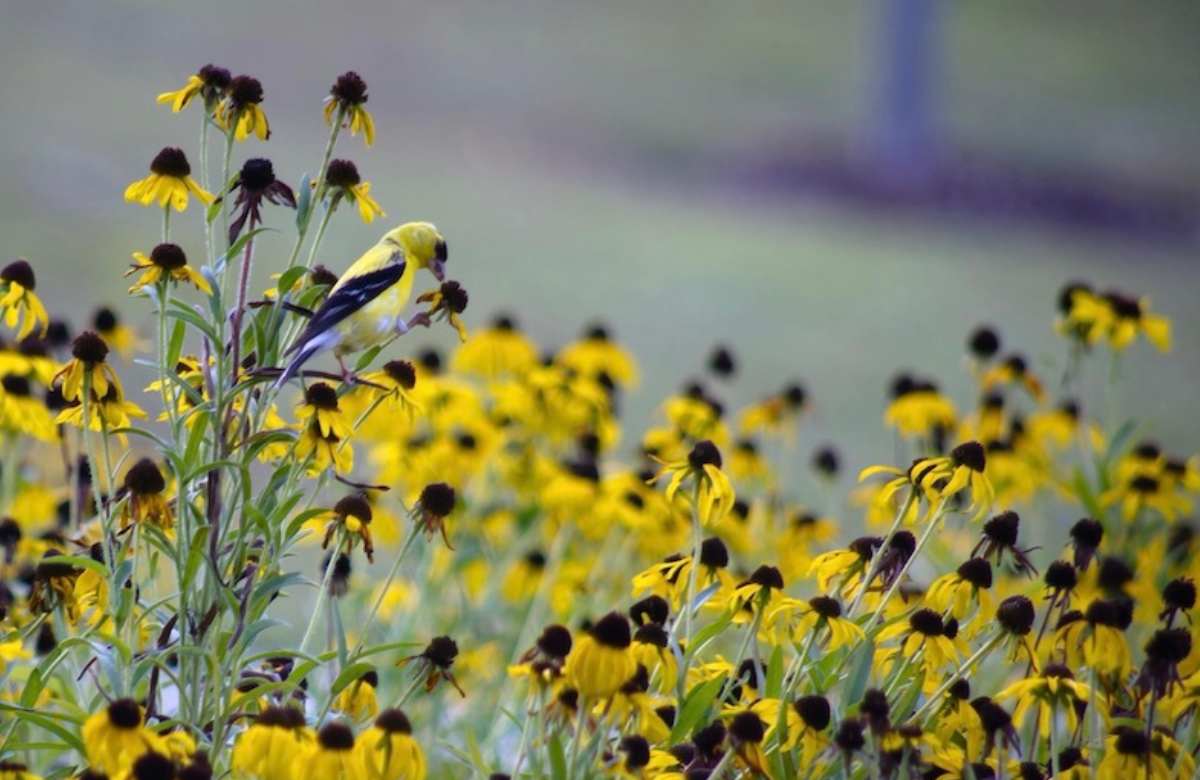
Black eyes Susans and the native version, brown eyed Susans are great for the good bugs and their seeds are also treasured by the birds. Once established both plants will persist for decades or longer.
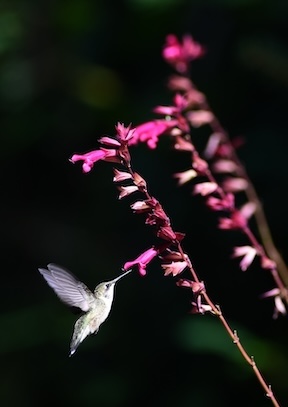
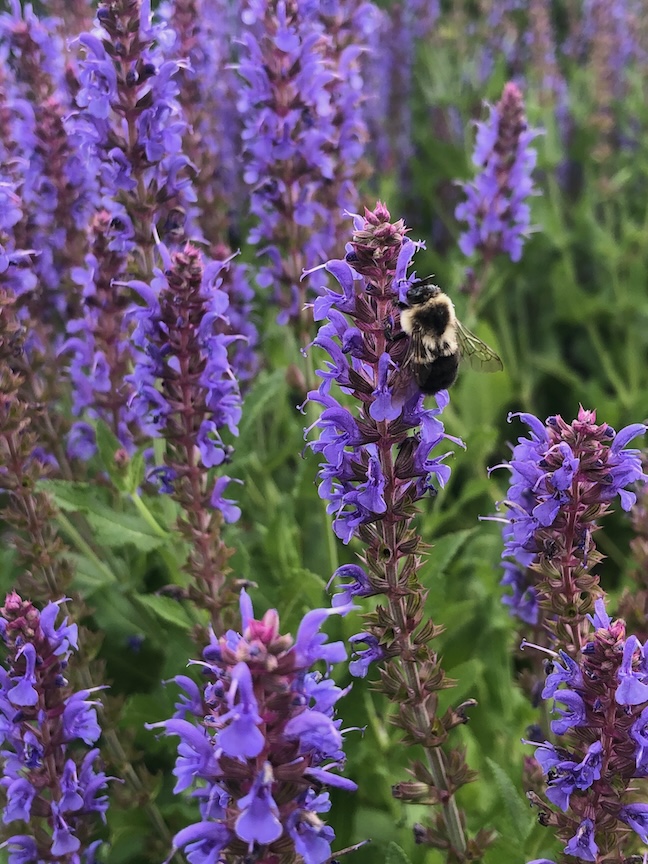
Salvia is another great plant for pollinators. It’s one of the most deer resistant plants in the landscape and will also thrive in a little shade too. Perennial salvia is a long bloomer in shades of blue, white, red and pink. Hummingbirds enjoy the tubular flowers.
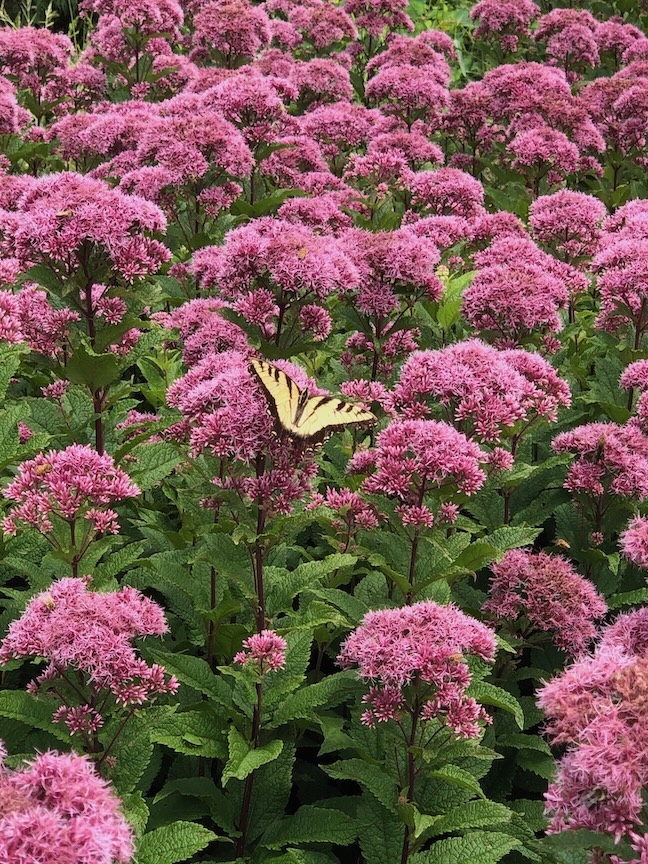
Joe pye weed is another native that loves full sun. ‘Little Joe’ is a compact variety which only reaches about four feet tall. Don’t let the word “weed” in the name deter you, as it’s a beautiful plant which blooms late in the summer.
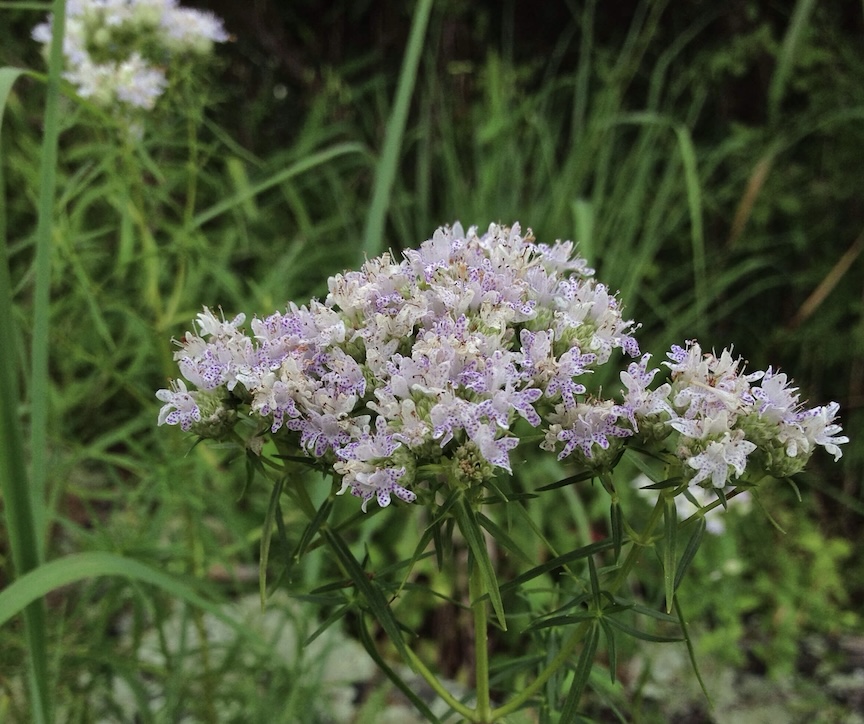
Narrow leaf mountain mint is a pollinator magnet with wonderful fragrance and deer resistance. It can be a bully but is not invasive like traditional spearmint.
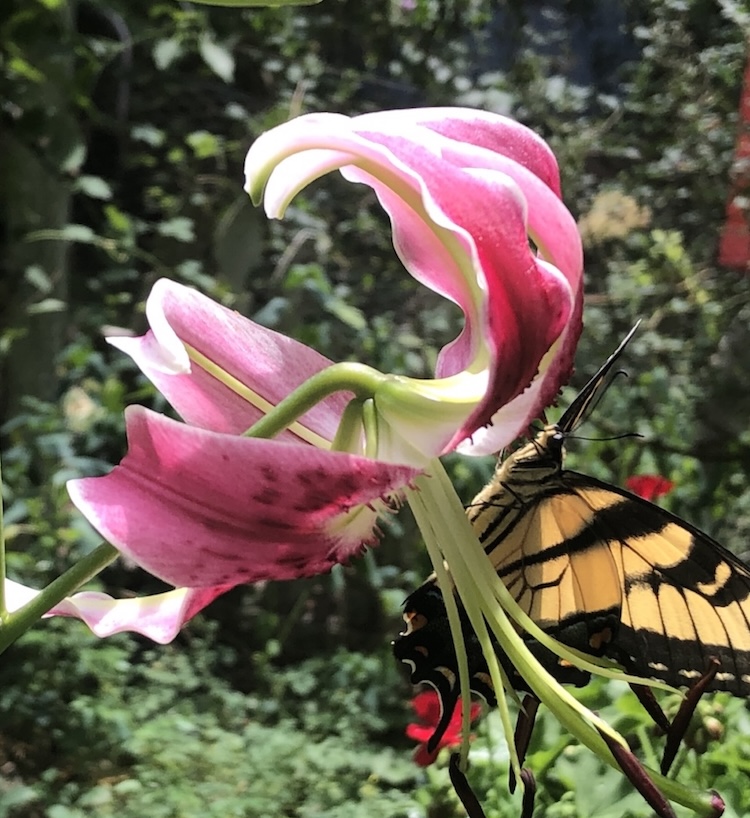
Although lilies are deer candy, pollinators enjoy the aromatic flowers. Lilies are the queen of the summer garden. If protected from deer, they are easy to grow and multiply over the years.
In shade, columbine, heuchera, astilbe, cardinal flower and many others will bring the pollinators into the garden.
Perennials are best planted at the end of the season. Shorter and cooler days are conducive to root growth as opposed to top growth.
Planting them now will make next season’s garden even more spectacular, regardless of the amount of rain that falls.
Christina Newman is a honeybee and pollinator expert who runs CoNectar in Millvale. The innovative business offers honey tastings, pollinator classes and many other bee friendly events.

Subscribe to my free gardening newsletter here
Host of "In Doug's Garden" on CBS KDKA-TV Streaming
Host of the Talking Trees podcast for The Davey Tree Expert Company
Consultant for Farm to Table Buy Fresh Buy Local
Columnist for Pittsburgh Earth Day's "The Green Voice"
Leave A Comment