GREEN LIVING
National Park Week
By Bria Zegarelli
 April 2026
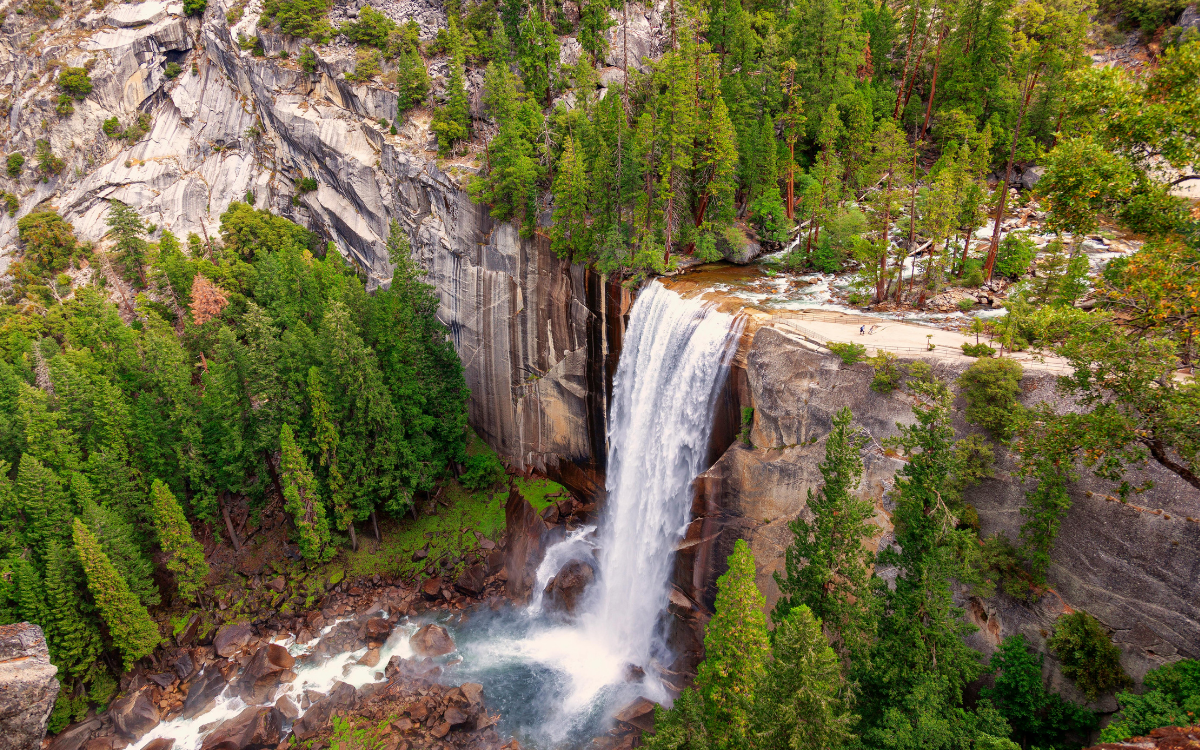
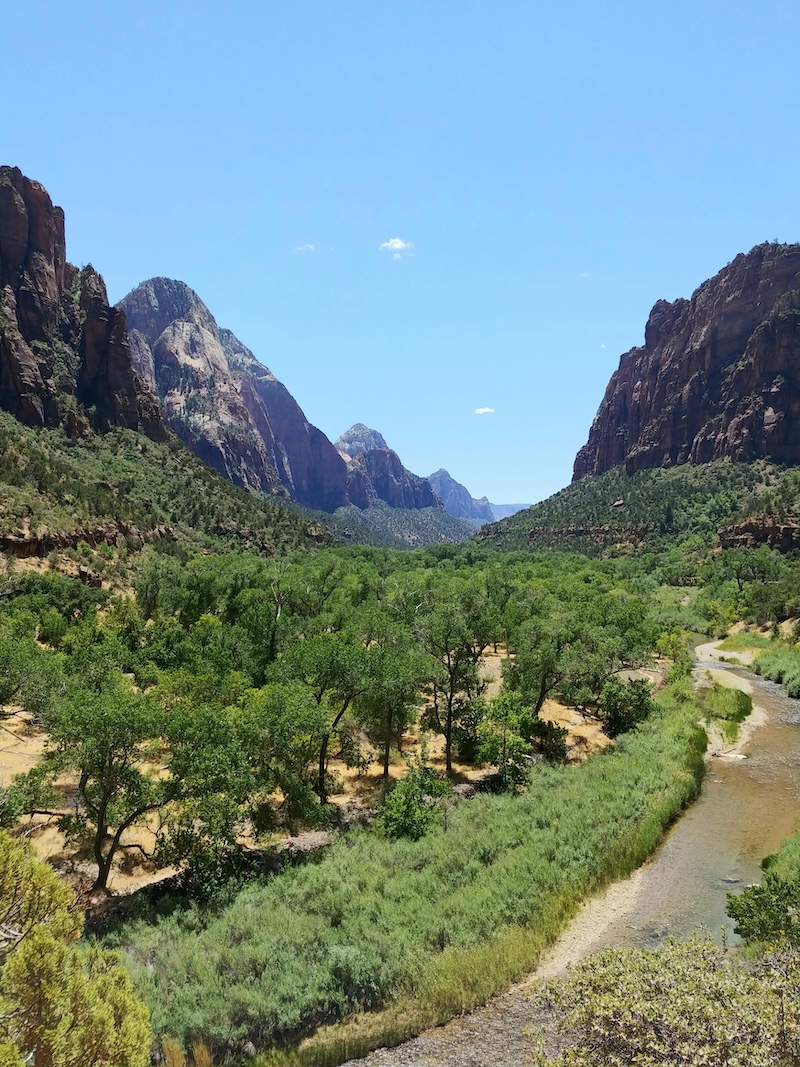
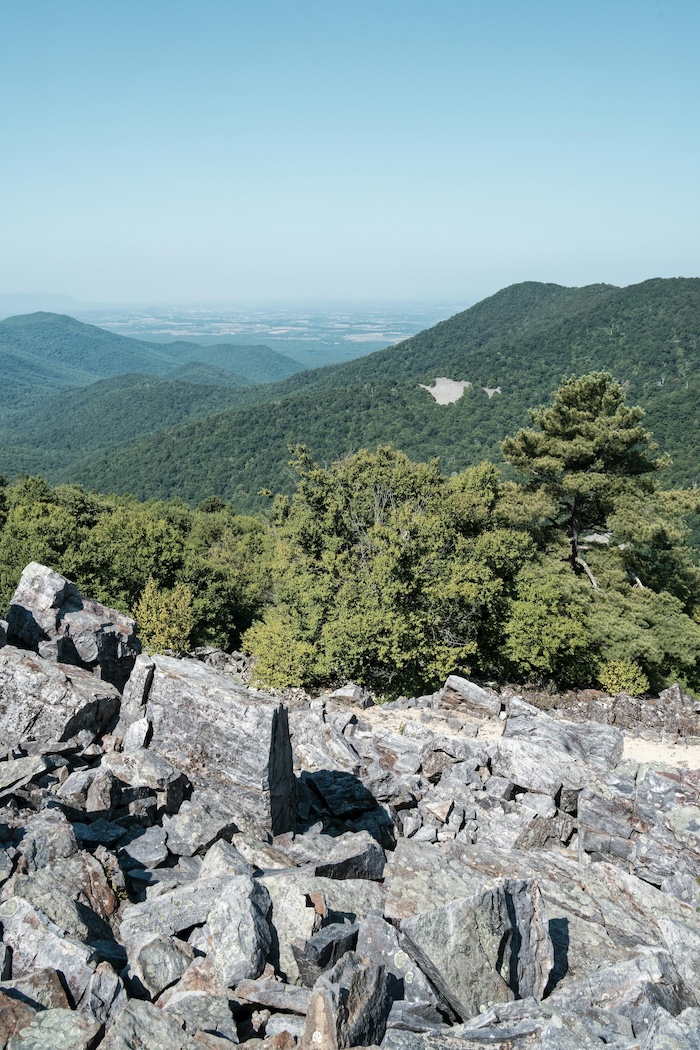
Last winter during one of my classes, I researched and made a presentation about U.S. national parks, including the history, challenges, and ways to help. I thought the topic was really interesting and fun to learn about; therefore, in honor of National Park Week (typically mid to late April), I figured I would share a shortened version that can help people know more about national parks and their impact!
National Park Benefits
- Preserving natural habitats and slowing extinction
- Helping surrounding areas through natural growth cycles and replenishing wildlife
- Generating income for local communities
- Mitigating climate change through securing carbon-rich habitats
- Preserving biodiversity
- Collecting genetic materials for national archives
- Emblems of natural and cultural heritage
- Natural classrooms and labs
- Reserves of native species
Challenges
Environmental
- Loss of areas suitable for protected areas
- Local extinctions
- Resource extraction
Managerial and Administrative
- Lack of effectiveness with public engagement
- Lack of training for managers
- Conflicts between aesthetic vs. recreational goals for parks
Research and Technology
- Technology, testing, experiments, and science in environmental services programs not keeping up with related disciplines
- Delays in research
- Disappearing evidence
Proprietary
- Intersection of protected areas with people’s homes, specifically those of rural, lower-income, and indigenous populations
Social and Educational
- Uninformed general public
- Disciplinary gulf between conservation planners and social science-trained critics
- Generational changes
Economic
- Tourism controversies
- Emphasis on visitor entertainment rather than environmental health
- Overcrowding
- Illegal extraction of economic benefits from protected areas
- Lack of funding
Political
- Polarized trust of science and climate change
- Misinformation
- Lack of environment prioritization within government
- Conflicts between local demands and national policies/attitudes
Ways to Help
Educational Approach: educating the public and future generations
- Research and educational centers within the national parks
- Open discussions about ethics of protected areas
- Providing opportunities for young people and marginalized groups to participate in science, both in and out of the classroom
- Environment-related art
- Biodiversity Festivals: 50-100 interactive booths/exhibits that allow representatives of the local community to provide environmental knowledge and activities that can lead to impact
Managerial/Administrative Approach: properly leading and maintaining protected areas
- Protecting parks from overuse, inappropriate or conflicting uses, and excessive visitation
- Requiring mandatory user education that must be done before entering national parks
- Expecting and preparing for changes such as climate changes, ocean acidification, human access, etc.
- Active intervention and restoration of natural processes
- Reaching out to local stakeholders to ask what their needs and values are
Technological, Scientific, and Experimental Approach: incorporating new and effective research, increasing objective scientific knowledge
- Reaching out to universities and other scientists
- Taking into account uncertainties during research
- Citizen science: scientific research that includes participation from both scientists and the general public
- BioBlitzes: inventories all species in a defined area within a 24-hour period
- Meant to unite scientists with families, students, and the general public to explore natural systems
- Can include online lesson plans and activities, face-to-face professional development, observing, taking field notes, identifying species, and mapping observations
- Expanding access to biocuration
Political Approach: bridging gap between political sides and understanding national parks as a political entity
- Exempting national parks from harsh swings in political support
- Bridging the gap between political sides on environmental issues
- Focusing on political ecology: argues that social and environmental conditions are inherently linked
- Increasing restrictions, policies, and protections
Social/Diversity Approach: making national parks and conservation more equitable and inclusive
- Considering different perspectives, histories, narratives, and opinions
- Seeking knowledge from communities that are heard from less often
- Asking questions like “How can we meet halfway?” instead of telling people how they should value wilderness, national parks, historic sites, etc.
- Making sure the National Park Service adapts for the new generation
- Diversifying the National Park Service staff
National/Global Approach: joining together on a broad scale
- Making national parks connected
- Not ignoring a protected area proposal just because the site is smaller, less diverse, less pristine, etc.
- Reducing greenhouse gas emissions
- Trusting science and scientists
- Embracing change and natural processes while also maintaining historical components of a region/park
- Ensuring that conservation mixes natural science with other disciplines
- Considering parks in the context of their respective local and regional landscapes
Individual Approach: making an individual impact
- For scientists
- Not being dismissive about the general public’s concerns
- Including park service personnel in the design and implementation of the service
- Breaking down traditional conceptual distinctions between humans and nature to think about humans working within nature
- For the general public
- Visiting parks (especially ones with fewer resources), volunteering, and raising awareness of science and national park conservation
- Being aware that national parks are a part of socio-ecological systems
- Educating oneself and others about environmental issues and conservation
Takeaways
- National parks = incredibly important!
- Equally important: the effort that we put toward preserving them
- Even the smallest steps may have a positive impact
- Responsible human intervention through national parks can be really positive for the environment
- National parks and conservation are inherently connected to social and political issues
- Many ethical and political debates that need to be worked out in this process
- The relationships between humans and nature + humans and protected areas are constantly changing
- Changes in how humans have preserved national parks over time show that while a lot of conservation methods are not as helpful, there are so many helpful ones as well (or at least many possibilities for help)!
- Many conservation goals = intertwined

Leave A Comment