
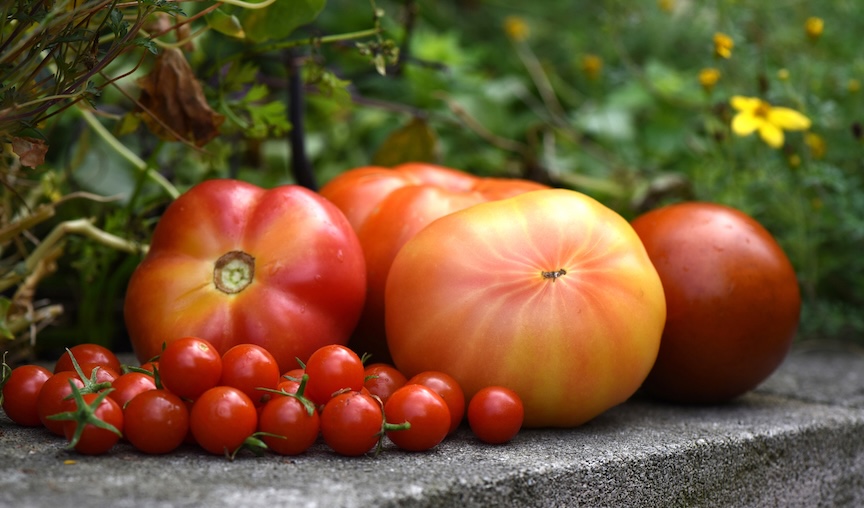

Gently brushing a hand across tiny tomato seedlings releases the aroma of summer, the aroma evokes anticipation for the summer harvest.
For many gardeners, starting seeds of their favorite tomato varieties is an annual tradition which begins in early spring. Most of us want to be the first in the neighborhood to pick a ripe tomato. It’s a gardening badge of honor, bragging rights can be a fun.
For seed starters, it’s still not too late to get some going, but it would be best to choose varieties that produce fruit quickly. Examples include ‘Early Girl,’ ‘Sungold,’ ‘Fourth of July,’ ‘Red Racer’ and many others. It’s easy to sow seeds, here are the seed starting instructions from an earlier Green Voice column.
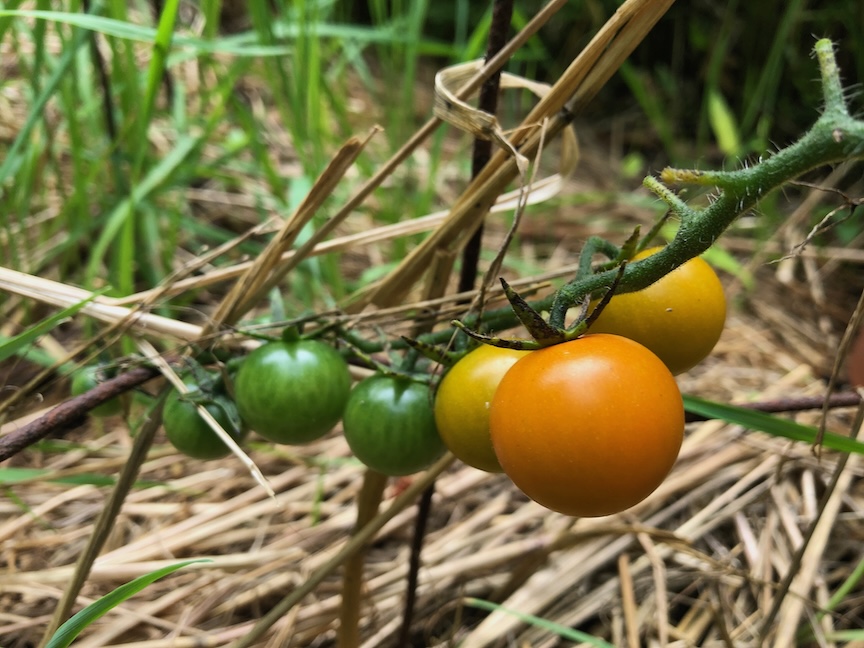
Whether starting from seeds at home or buying plants from a garden center, mid-May is the traditional time to put them in the ground. Tomatoes cannot tolerate frost, it’s important for gardeners to watch the weather. Over the years there have been frosts in late May. There’s not much more frustrating than spending time preparing the soil and planting, then losing plants to the cold.
Even though the middle of May is our “normal” planting date, it’s fun to experiment with a few plants using different techniques and gardening tricks in the quest for the first tomato. This isn’t what we’re doing with our main crop or later planting, these are a few choice plants that are being risked seeing if they can survive and eventually produce the first fruit of the season.
One way to plant early is to warm the soil weeks in advance of the traditional planting time.
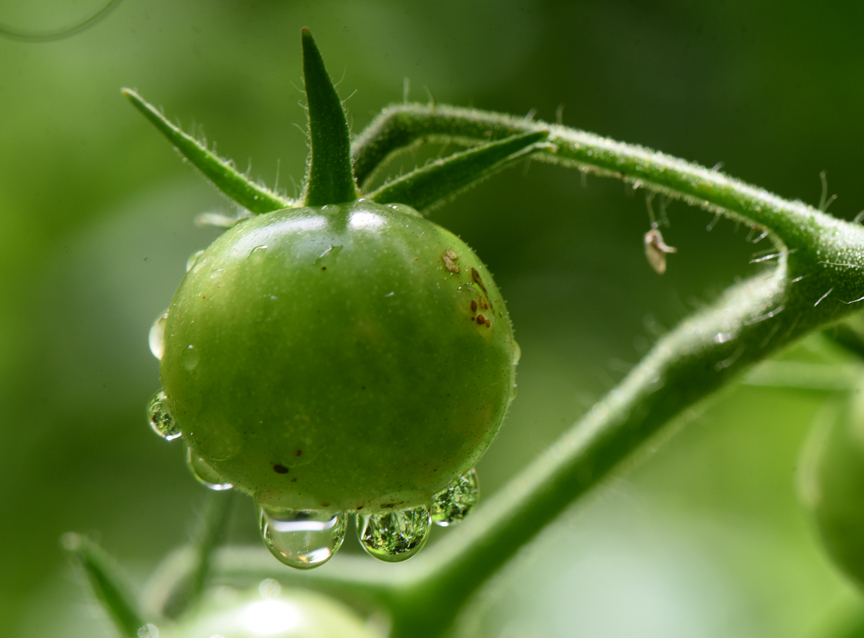
The first step is to improve the soil with organic matter like compost, it will give the plant everything it needs to thrive. One way to heat up the bed is to cover the compost with black landscape fabric. It breathes and lets water through too, as opposed to plastic, that’s why it’s favored for the job.
When planting time arrives, a hole can be cut in the fabric and the seedling is planted. Later in the season mulch can be added over the landscape fabric if the gardener thinks it looks better.
Those plants can then be covered with something called a floating row cover or with two layers of the cover. It’s a spun bound, light weight translucent fabric that acts as a greenhouse.
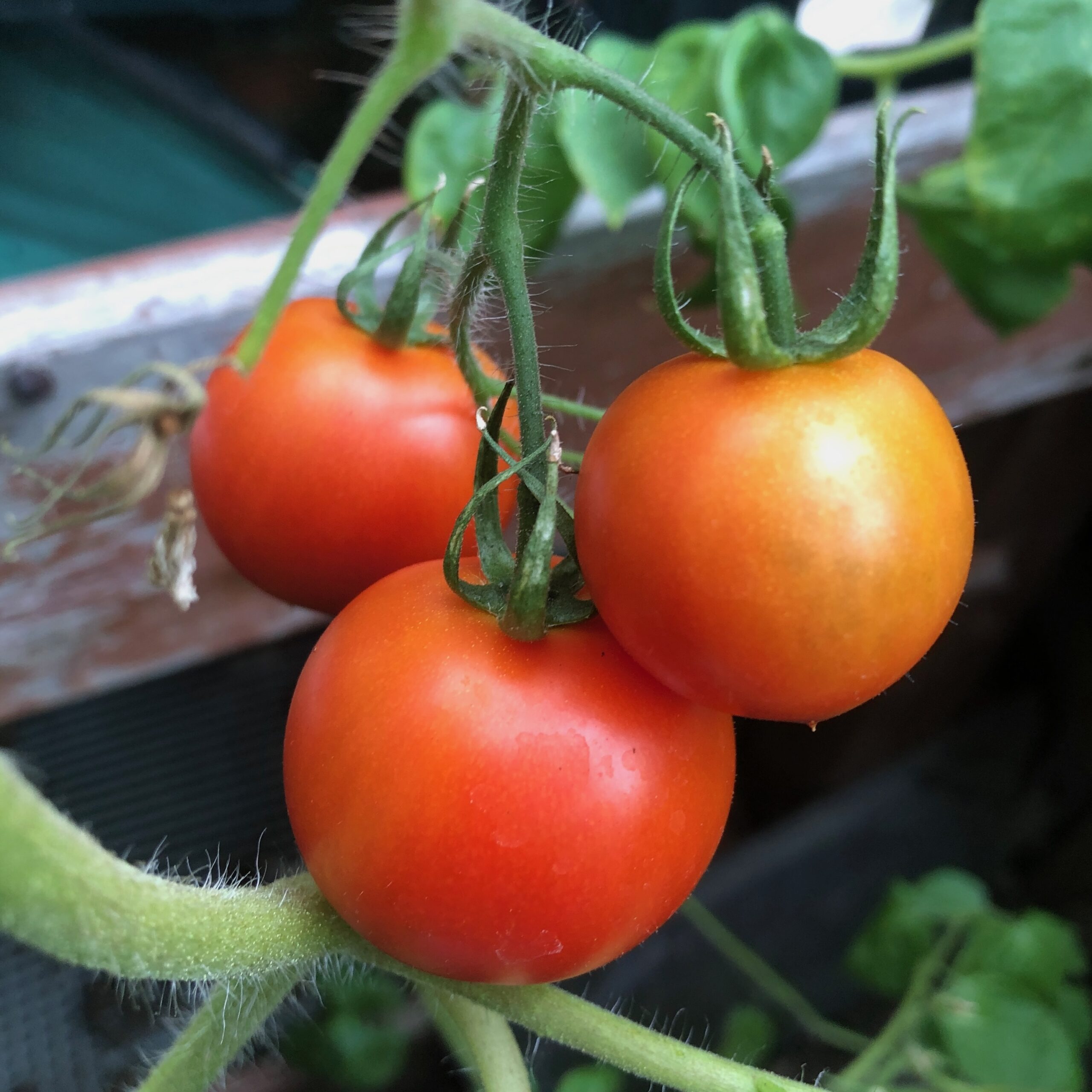
Visiting a farm one April, I saw nice sized tomato plants planted in landscape fabric and double covered with the floating row cover. “It’s a necessity that we harvest the first tomatoes of the year and make them available to our customers,” the farmer told me.
A cold frame is a sort of outdoor unheated greenhouse with a transparent or translucent lid which is opened and closed depending on the heat of the day. It’s a great place for and early planting of tomatoes.
A plastic 3 mil thick drop cloth from the hardware store can be made into a temporary greenhouse out in the garden with some support. The plastic can also be wrapped around the outside of tomato cages to keep plants happy until summer takes hold.
The varieties mentioned for seed starting now are also chosen as the first plants in the ground.
Plant tags in the nursery always note the time it takes for the plant to reach fruition.
Another way to get a jump on the season is to choose a big plant at the garden center, one which is an early producing cultivar.
It’s a great feeling to start enjoying home grown tomatoes in June and early July.
Defeating tomato blight
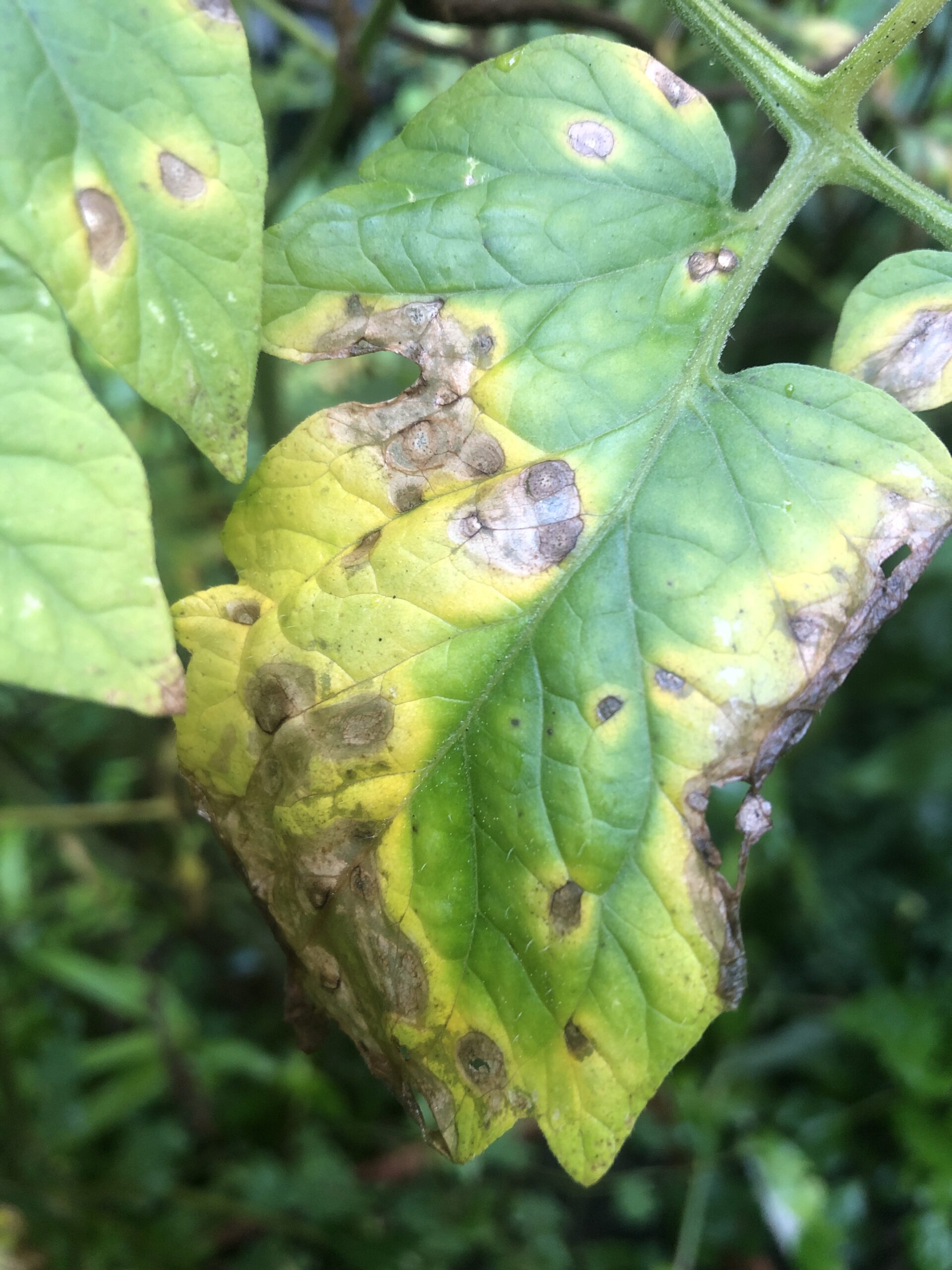
The earliest planted tomatoes are also the most prone to early blight and septoria leaf spot. Both diseases are caused by soil borne fungal spores, which splash on to the foliage during a rain.
Tomatoes are prone to these fungal issues which manifest themselves when the weather turns hot and humid. The foliage begins to turn yellow with brown spots on the bottom leaves and work its way up the plant.
These diseases rarely kill the plant, but slow down growth and defoliate the tomato plant too.
When planting tomatoes too early in an effort to pick early fruit exposes the plants to nighttime temperatures below 50 degrees along with cold rain, which the plants hate.
By treating the foliage with an organic fungicide like Bonide’s Revitalize, before seeing signs of damage, the diseases can be prevented.
There are many other ways to keep tomato plants healthy when planting at the traditional time and beyond:
- Plant many different varieties, each one deals with the diseases differently.
- Look for disease resistant varieties like ‘Defiant,’ ‘Celebrity,’ ‘Sungold’, ‘Marglobe,’ ‘Matt’s Wild Cherry’ and many others.
- Mulch the day of planting to stop fungal spores from splashing up on the plant. Also, remove lower leaves to give more distance between the spores and the foliage.
- One of the most successful ways to avoid the diseases is to leave room in the garden for later plantings. Tomatoes long for an Italian summer, not a Pittsburgh spring. Planting tomatoes in late June and early July gives them what they love, warm air and soil temperatures. When planting later, it’s important to choose the early varieties mentioned here. There’s not enough time to plant a long season beefsteak in July, but ‘Sungold’ or ‘Early Girl’ will have plenty of time to ripen.
Nothing can compare to a tomato picked warm from the garden, that’s why we spend our spring preparing to plant them and dream of walking barefoot in the garden enjoying the harvest.
Feed the birds
By feeding the birds now, gardeners create a foraging route for them, which they will continue to use when feeding their young.
There’s interesting data that shows one pair of chickadees needs 4000 to 9000 insects to feed their fledglings. The birds will hunt in the garden and help us control pests.
This video from Pittsburgh Today Live shows how to make homemade suet for the birds.

Subscribe to my free gardening newsletter here
Host of "In Doug's Garden" on CBS KDKA-TV Streaming
Host of the Talking Trees podcast for The Davey Tree Expert Company
Consultant for Farm to Table Buy Fresh Buy Local
Columnist for Pittsburgh Earth Day's "The Green Voice"
Leave A Comment