
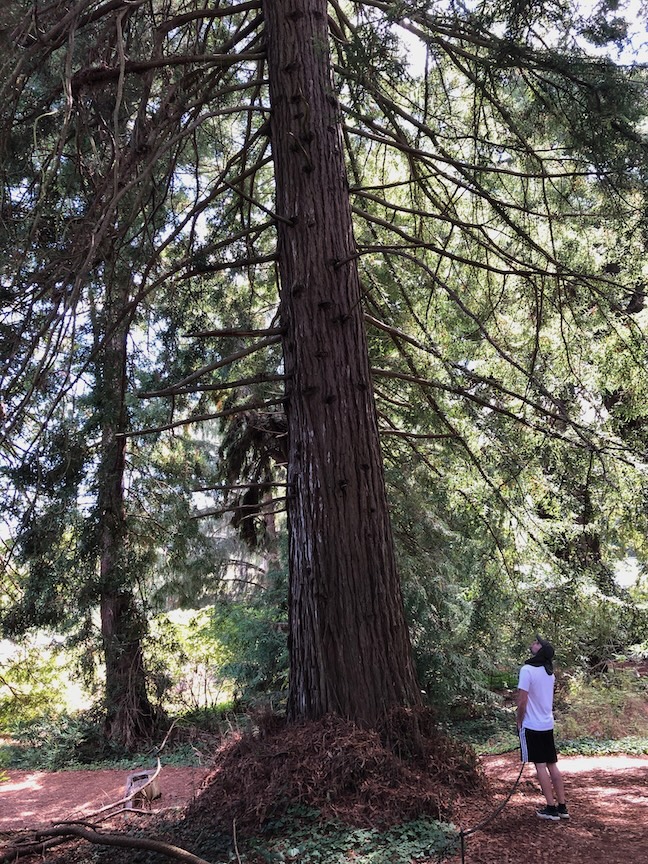
On a recent trip to California to visit my son, we hiked miles into Big Basin Redwoods State Park. As he stood, dwarfed by a tree and looking up at the giant, I thought of a day when he was a boy, discovering him 60 feet up a dawn redwood in Pittsburgh.
Terrified, I yelled frantically for him to return to the ground.
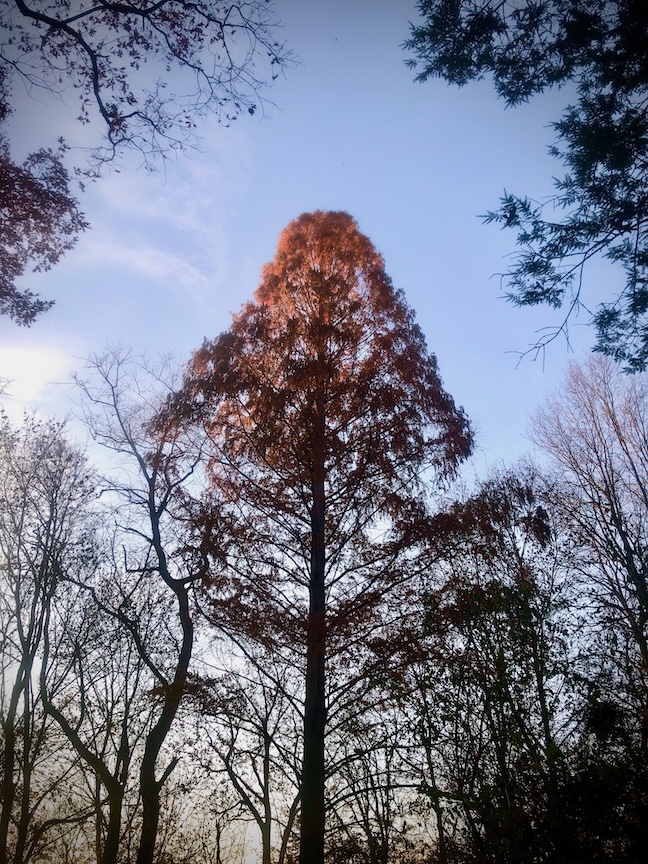
Although we can’t grow the same redwoods that inhabit the west coast, the dawn redwood, larch and bald cypress are all tall trees resembling the giant redwoods.
All three are deciduous conifers, dropping their needles after changing from deep green to bronze in the fall.
The dawn redwood is probably the most popular and will reach 100 feet or higher eventually. The orangish, exfoliating bark is beautiful and is a star of the winter garden.
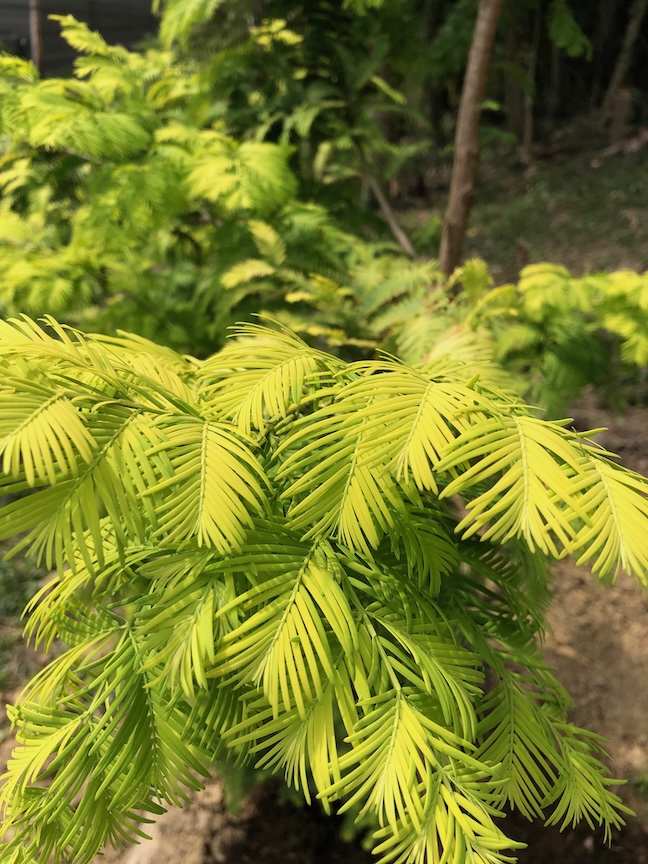
There are smaller cultivars and even a few with beautiful chartreuse foliage.
This is the best time to plant a tree, as short days and cooler temperatures are best for root growth, which establishes the tree before winter arrives. Trees can be planted until the ground freezes solid.
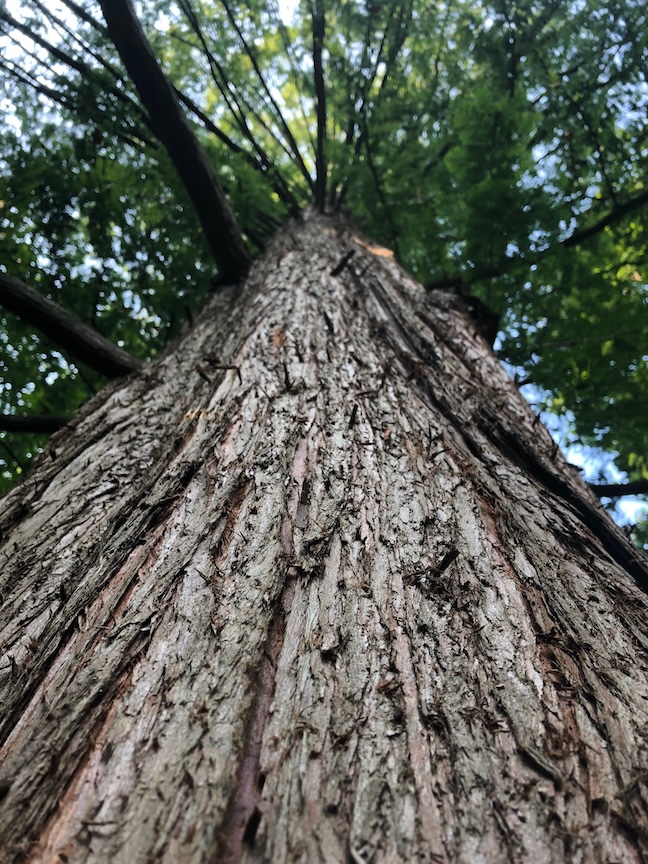
A big mistake homeowners often make is planting too deep, that can kill a tree.
Find the root flare, where the trunk meets the roots and keep it above grade. Dig a hole twice as wide as the root ball and put the tree in the hole, followed by the native backfill and then water the plant in.
Water is essential for the tree to become established. Watering every couple of days at first and then once a week if rain is scarce until the ground is frozen will get the tree off to a good start.
One of the most important considerations when planting is putting the right tree in the right place. No one wants a 100-foot dawn redwood up against the house.
The fun part is deciding what to plant in the proper space. Is the tree chosen for its ability to give shade or beauty or something else?
Everyone has their own favorites, these are a little off the beaten path and will make the landscape unique.
Native trees are becoming more and more popular as they are best suited for our climate plus provide food, shelter and more for pollinators and wildlife.
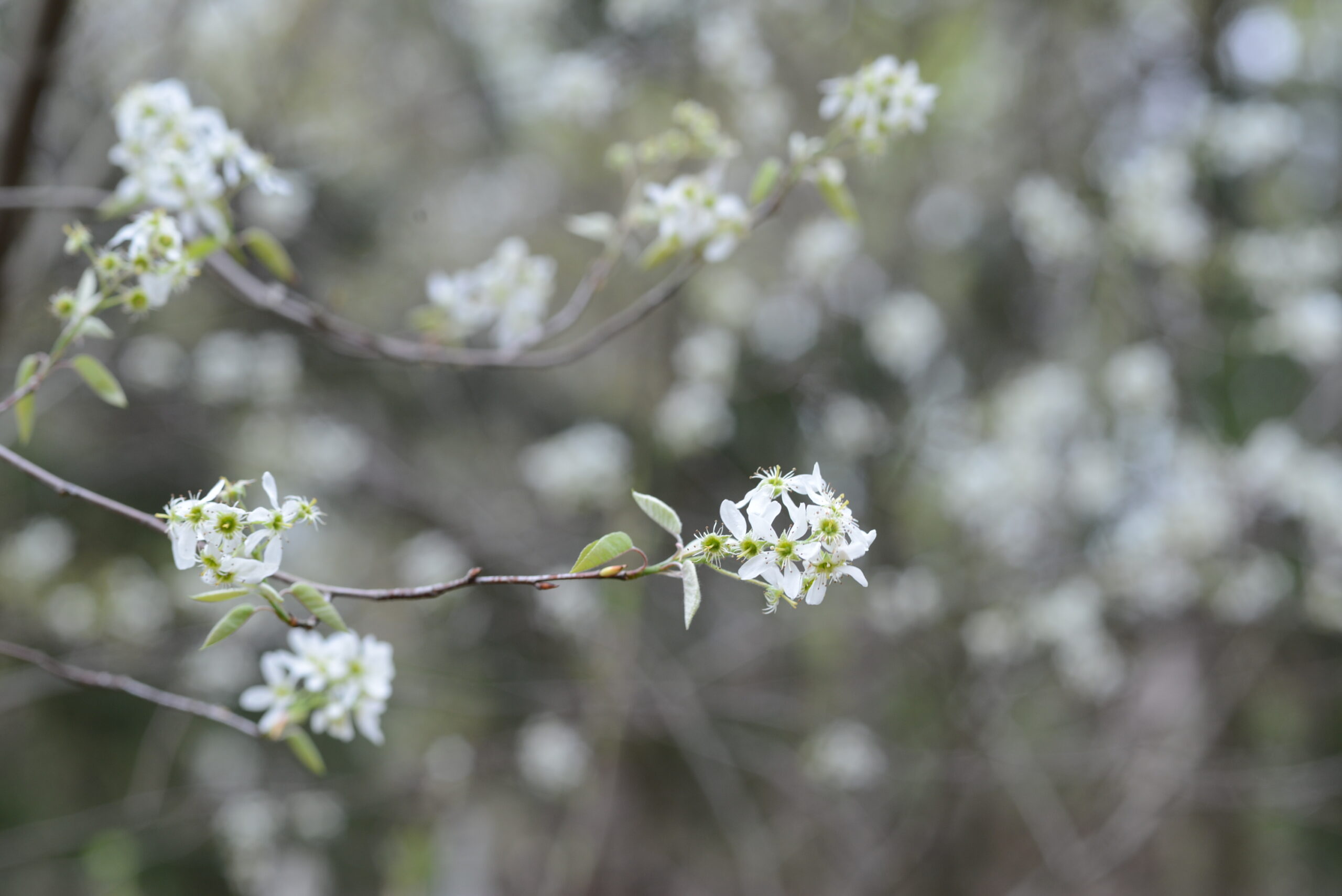
Serviceberries can be single or multi-stemmed trees which stay relatively small, reaching 25 feet maximum. They have pretty white flowers in the spring which give way to edible red berries. The pollinators enjoy the flowers, and the birds love the berries.
American hornbeam has a common name of muscle wood for its smooth, sinewy bark. The tree will get to about 30 feet tall and wide.
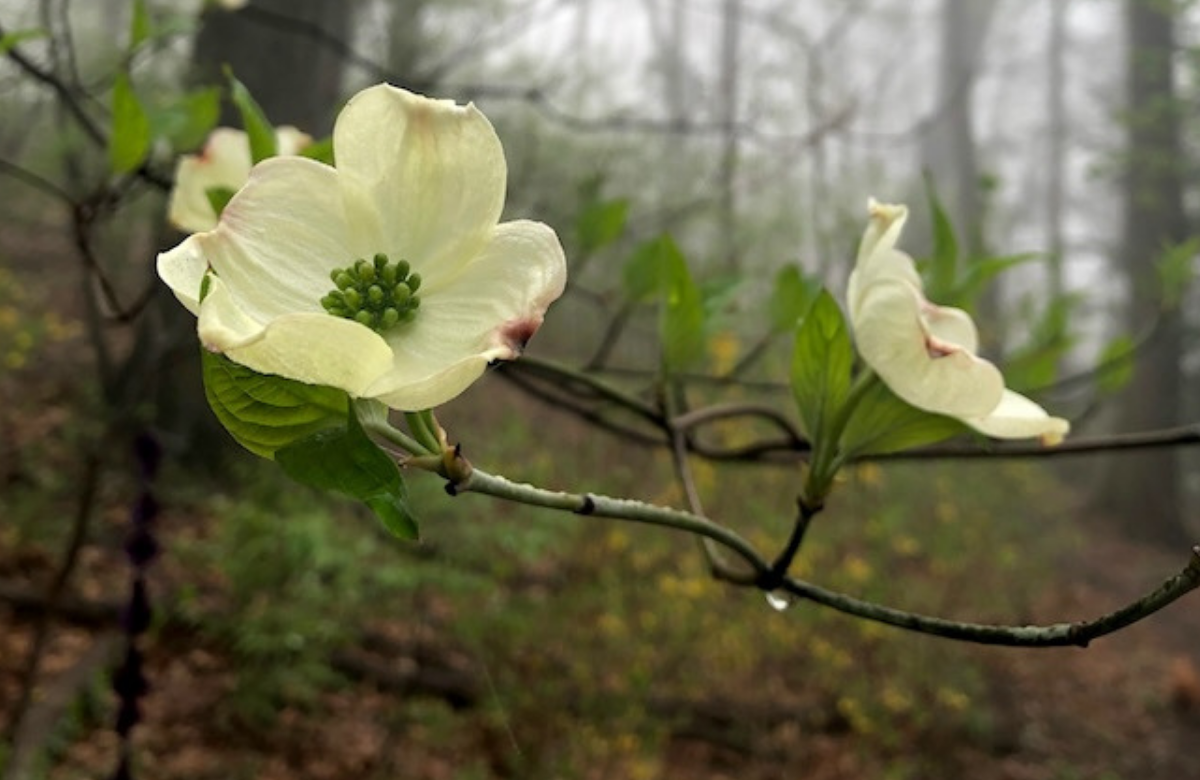
Our native dogwood, Cornus florida enjoys life as an understory tree, growing in the shade of oaks, hickory and sassafras. The creamy white flowers produce bright red berries which feed wildlife.
Since dogwoods are shallow rooted, they benefit from mulch, but every tree could use some mulch. It should never touch the trunk of the tree, looking more like a donut than a volcano and be a few inches deep.
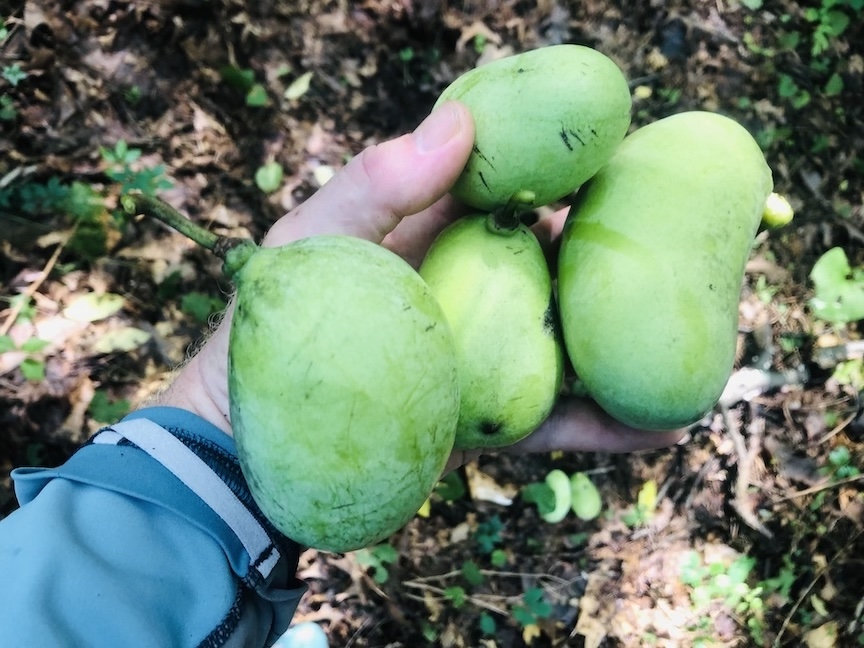
The paw paw tree produces our biggest native fruit. Indigenous Americans taught settlers about the potato sized, tasty tropical-like fruit. Some say the custard-like flesh tastes like a cross between a mango and a banana, but it has its own unique flavor.
The black gum is another native great tree for wildlife which has a fire engine red fall color. This one can get over 70 feet, so give it room.
Redbuds bloom early in the season before they leaf out with spectacular purple flowers. The straight native species is wonderful, but there are also “nativars,” which are created through conventional breeding techniques offering different colored foliage or flowers.
Every garden should have a spot for witch hazel, which is a shrubby tree reaching 20 feet tall. The native tree blooms in late winter, when the yellow flowers are just about the only thing in flower.
The striped maple is another interesting native tree. There are some growing at the Pittsburgh Botanic Garden. White stripes run up and down a greenish-brown bark, which gives the tree great winter interest. It can reach 40 tall and is mostly an understory tree.
There’s an old saying, “the best time to plant a tree was 20 years ago, the next best time is today.” Have fun looking for the right tree to add to your landscape.
When my son looked up at that redwood in California, he looked back with a smile, “think I could climb it.” We both laughed and kept hiking.

Subscribe to my free gardening newsletter here
Host of "In Doug's Garden" on CBS KDKA-TV Streaming
Host of the Talking Trees podcast for The Davey Tree Expert Company
Consultant for Farm to Table Buy Fresh Buy Local
Columnist for Pittsburgh Earth Day's "The Green Voice"
Leave A Comment