
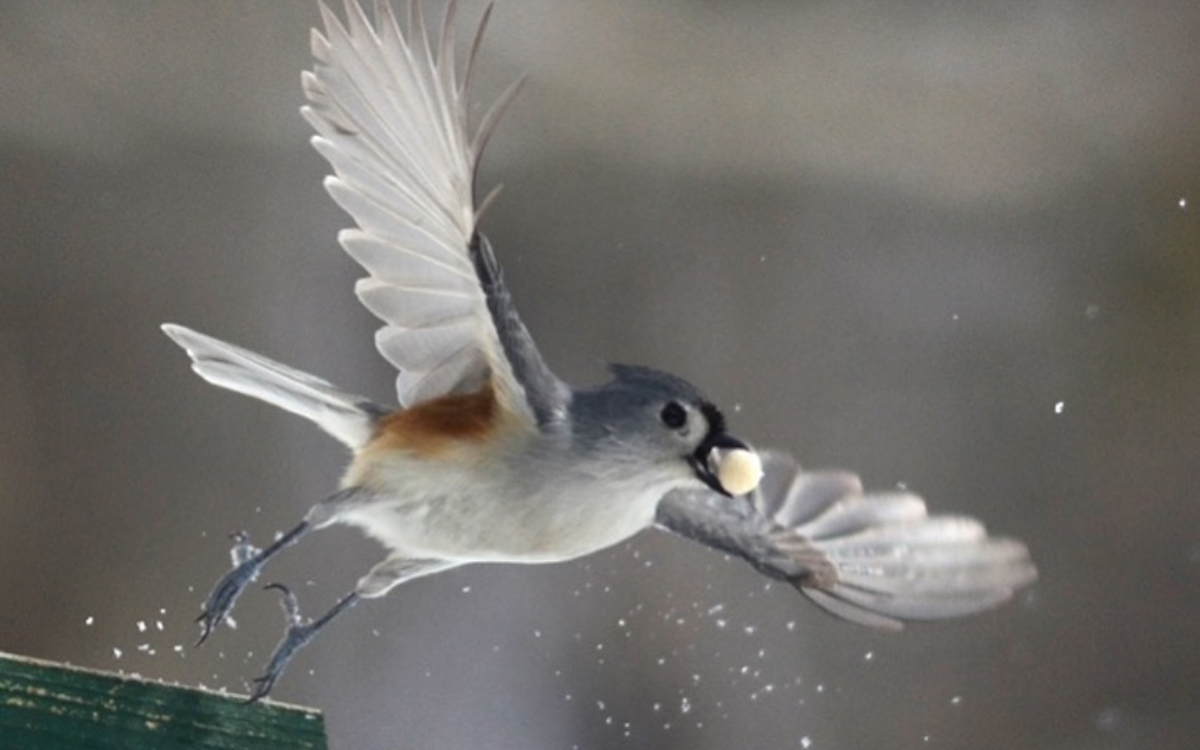

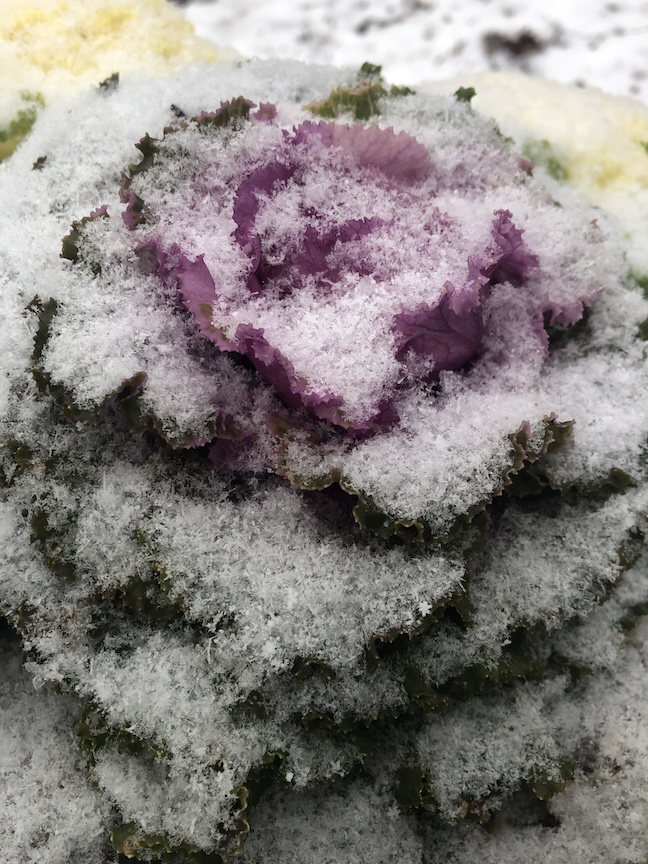
Another light layer of snow drifts down like powdered sugar, gently covers frozen indigo pansy flowers and curly purple leaves of flowering kale.
A real winter, with a decent covering of snow, acts as a blanket for perennials, bulbs and roots of other plants.
The short, grey days though certainly can wear on the gardener. It’s a time to rest, plan and best of all dream of what’s next for the garden.
There’s plenty of ways to keep our hands in the game and the things done now will make help next season’s garden.
Feed the birds
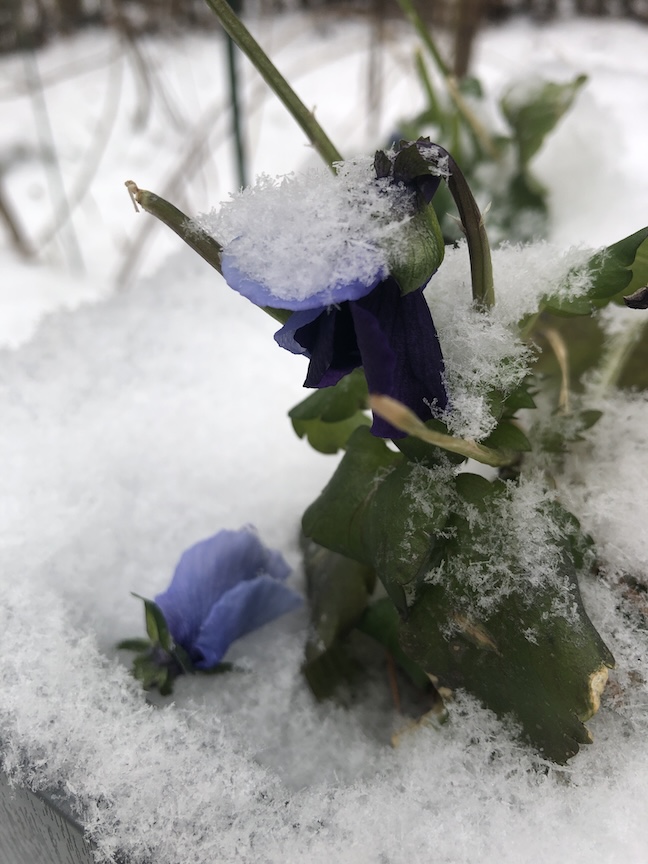
Birds are one of the best spring pest controls in the organic garden. Feeding them now will set up a foraging route which continues as the early season begins.
The birds will enjoy black oil sunflower seeds, premium mixes of seeds, peanuts, suet and much more through the winter, but will be looking for insects in the spring.
When the birds nest, mate and hatch a brood, the babies need to be fed. There’s data indicating one pair of chickadees require 6000 to 9000 caterpillars and/or other insects to feed their hatchlings until the fledge over two or three weeks.
Both parents of Carolina wrens will search the garden to feed their babies. Installing a variety of birdhouses will encourage nesting and provides quite a spring show for any gardener, watching birds hunt for insects and bringing them to their young is part of the joy of spending time in the garden. When an adult bird flies to the nest with food, the babies sing for their supper.

Winter sowing of seeds
In a future column we’ll discuss indoors seed starting, but there’s a very easy technique to sow seeds and put them out for the winter.
It’s a way to simulate how nature works. Plants grow, flower, set seed then drop their seeds which wait through the winter to sprout when they are ready.
Containers can be made from one gallon milk/water jugs, rotisserie chicken containers, clamshell containers and others. The key is having a lid and drainage.
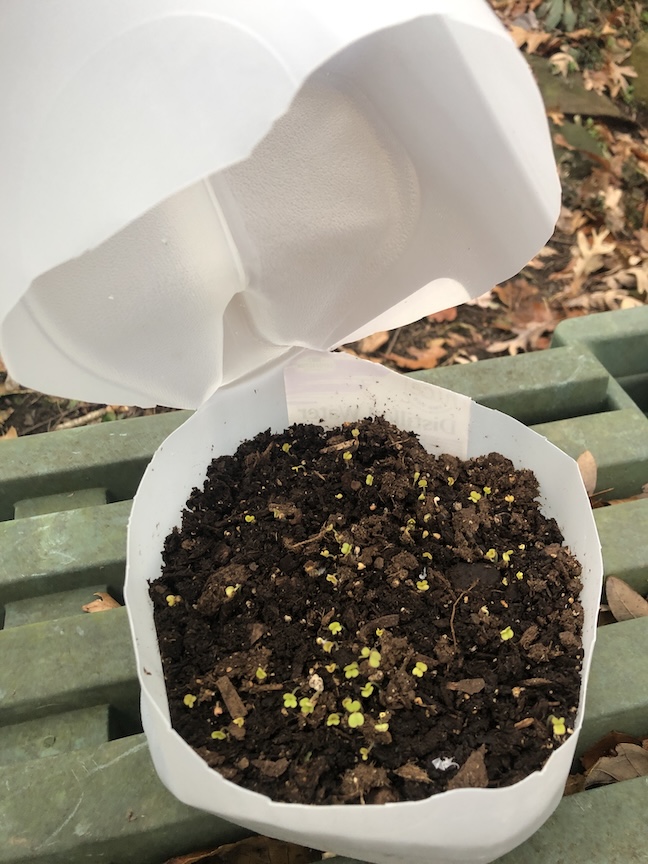
The lids are obvious on every container except the one-gallon jugs. The first job is to drill holes in the bottom for the drainage. After that, use scissors to cut horizontally from the bottom of the handle around the jug to the other side of the handle, which becomes the hinge for the lid.
Fill any of the containers with a moist planting mix and then sprinkle seeds on top, then more planting mix on top.
Just about any seed will work, vegetables, flowers, annuals or perennials. Cool weather veggies like lettuce, arugula and other greens will emerge first, the warm weather seeds like tomatoes, peppers or marigolds will sprout later.
Some gardeners using the milk jugs will tape them closed, but I don’t and have good germination.
The containers are then placed outdoors, the seeds will sprout when ready. The sprouts will need to be thinned and transplanted from the containers into the garden.
In this video from Pittsburgh Today Live, Doug demonstrates winter sowing.
Planting microgreens on the windowsill
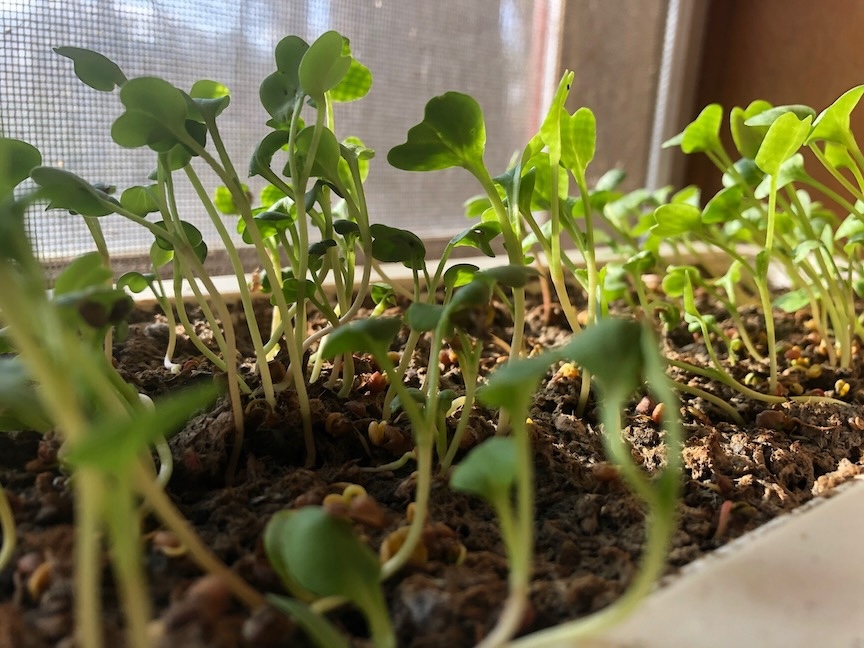
Seeds which are sprouted on the windowsill are called microgreens. They are highly nutritious and rather expensive in the grocery store.
When sprouted in water, seeds need a special certification, when planted in soil, any seeds will do, it’s best to use fresh seed, which usually has higher germination rates.
There’s a long list of things that work well when sowed in a container filled with moist planting mix. Radishes are a great vegetable to start with as they sprout quickly. The seeds are sprinkled on top of the mix, then covered with a little more mix and then clear plastic to keep the mix moist until germination.
The seeds are sown very close together and harvested a week or so after sprouting. These newly sprouted seeds are filled with fresh flavor and can become the star of a recipe.
Other things to plant include beans, sunflowers, arugula, lettuce, basil, cole crops like broccoli and kale, peas, salad mixes, beets, Swiss chard, carrots, cilantro and more.
Great sale on tomato seeds, grow something different
I’ve been ordering from Tomatofest for years. They offer hundreds of interesting heirloom tomato seeds, including some which originated in Pittsburgh.
A couple of years ago, I noticed ‘Aker’s Plum’ in the catalog. It’s a family heirloom saved by my late friend Carl Aker. He used to call my radio show and I visited him a few times at his Monroeville garden.
Here’s the description from the catalog- “These tomato seeds produce a healthy, long-lasting, regular-leaf tomato plant that yields abundant crops of 2.5 x 3.5-inch (6-8 oz.) brilliant red, jumbo plum-shaped tomatoes. These tomatoes have thick, meaty walls with excellent taste. A fantastic multi-purpose tomato suitable for juice, cooking, salads. Several gardening friends consider this tomato variety one of their top choices to include in their tomato garden each year.”
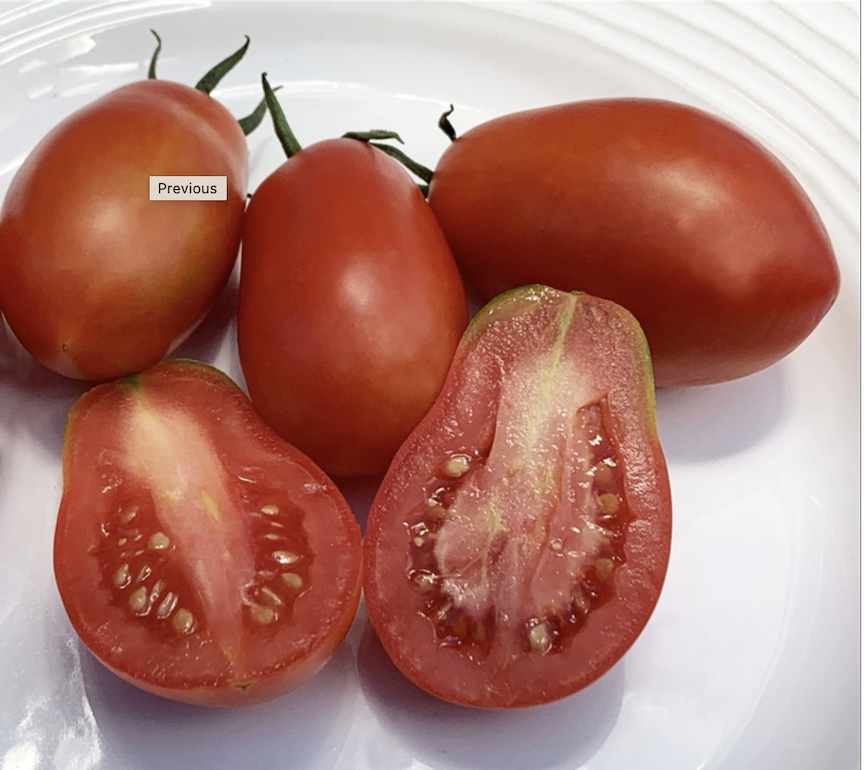
I was also surprised to see that Carl also provided tomato seeds for ‘Aker’s West Virginia'.
Here’s the description- Originally from West Virginia. These organic tomato seeds produce a vigorous highly productive, regular leaf, heirloom tomato plant that yields an excellent set of large, 10 to 16-ounce, deep-red, slightly flattened tomatoes in clusters of 2. Fruits show little or no cracking and have a well balanced sweetness to acidity. Delicious, robust flavors.
I’m growing both varieties in my garden this summer.
Join Doug to explore Poland and its gardens.
Doug is taking travelers to Poland in June of 2026 for 13 days visiting Warsaw, Krakow, the Polish countryside, four spectacular gardens and much more.
-
All the details can be found here.

Subscribe to my free gardening newsletter here
Host of "In Doug's Garden" on CBS KDKA-TV Streaming
Host of the Talking Trees podcast for The Davey Tree Expert Company
Consultant for Farm to Table Buy Fresh Buy Local
Columnist for Pittsburgh Earth Day's "The Green Voice"
Leave A Comment