

The first flowers of the season are a thrilling sight, especially after a hard winter. This is the time to take stock of what’s blooming where and think about fall planting to make the next spring even more wonderful.
Snowdrops are one of the first flowers to emerge. This season they poked up through the cold soil at the end of December and showed a little white bud in mid-January. Then winter hit hard, the garden was covered for most of January and some of February with 12 inches of snow. They sat there under the snow in a sort of suspended animation until February 20th, when the flowers opened.
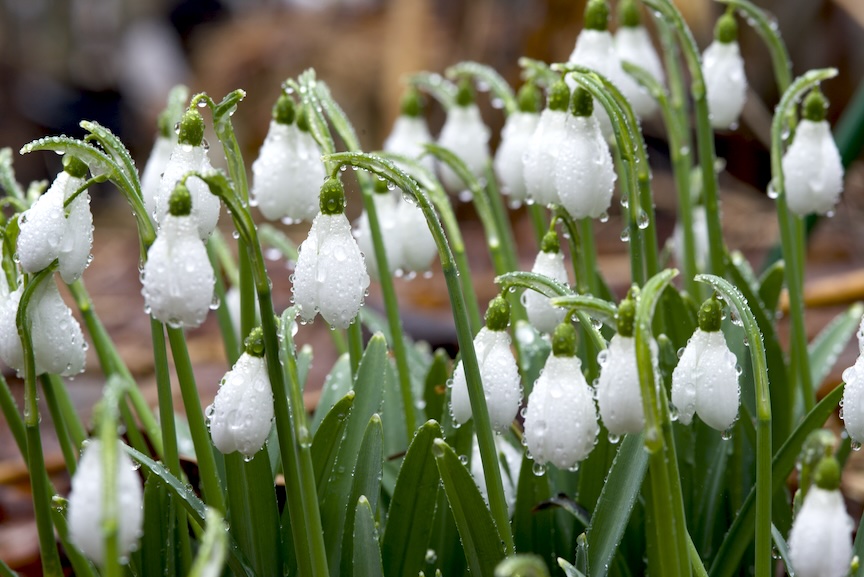
Some years they can bloom during a January thaw or wait until early March if winter persists, but when they bloom, there’s no turning back, spring is on the way.
Taking a few pictures or jotting down notes about where more need to be planted will assure that the spring garden will be even more spectacular.
It might seem crazy to be discussing fall planting as the gardening season is just unfolding, but planning is part of the fun of gardening and it’s fun to think about improving the landscape while soaking in the beauty of spring flowers.
The snowdrops are deer resistant and only around for a month or so, and some might wonder why to plant something that’s so ephemeral. Gardeners wait patiently to enjoy the coming and going of certain plants and they are deeply appreciated because they aren’t around long.
These tiny bulbs are easy to plant and will form a beautiful colony only after a few years.
There’s another plant that blooms early, with amazing flowers. Hellebores can be either fall or spring planted, they are evergreen perennials that have beautiful deep green foliage.
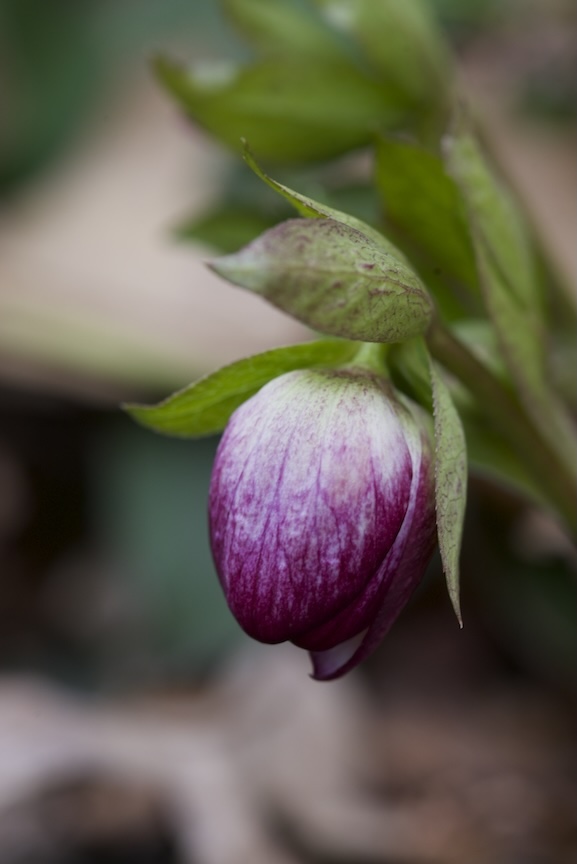
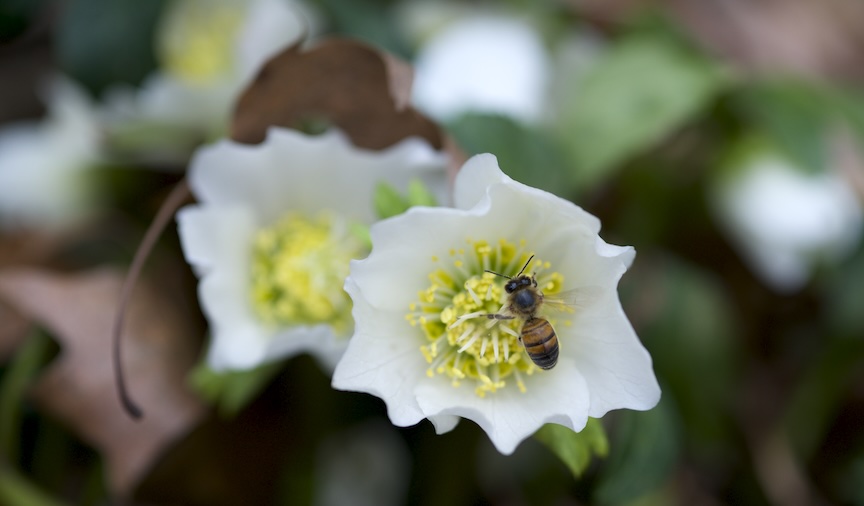
Helleborus niger is a variety which begins to bloom in late November, its common name is the Christmas or Winter Rose. It’s one of the only plants blooming during winter thaws and is a source of food for pollinators.
These flowers and buds also will hibernate under the snow, only to reemerge as the snow melts. As they end their flowering cycle Helleborus orientalis or Lenten Rose take over.
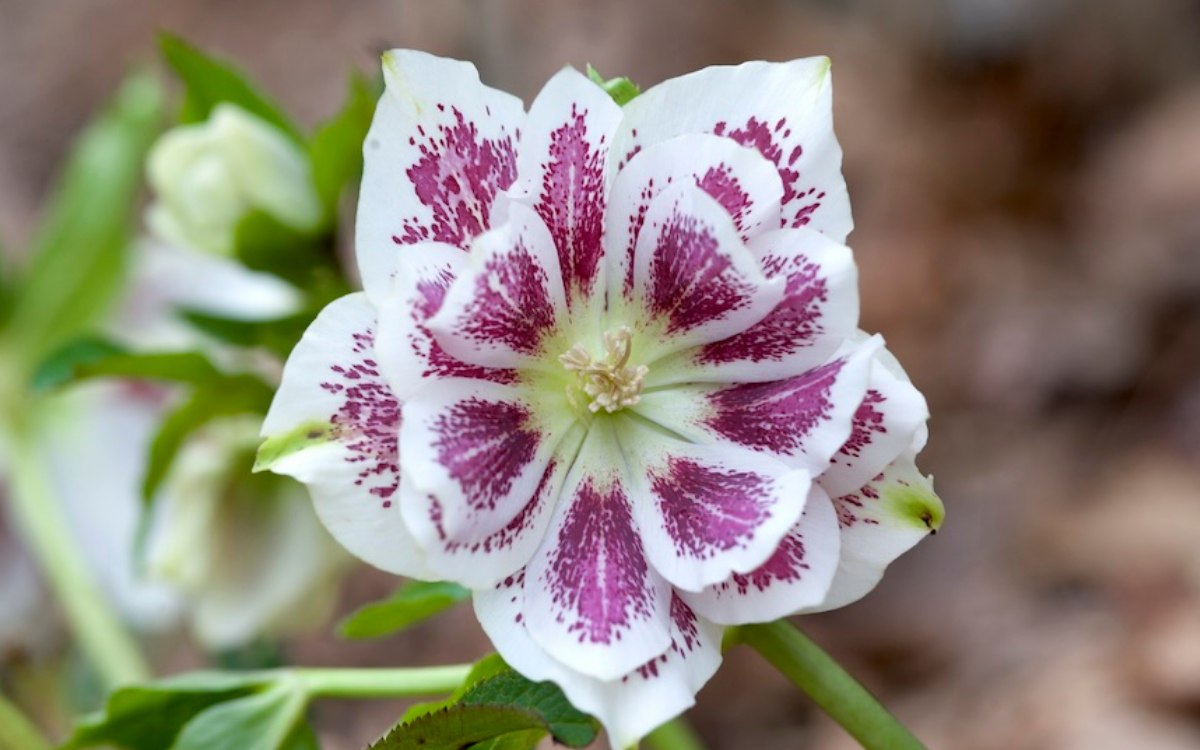
There are countless varieties of the plant, breeders have worked wonders to create stunning flowers for the spring garden. ‘Shotgun Wedding’ is part of the Wedding Party series. It has double white flowers with lots of burgundy spots.
The plants are underused in the landscape, love a partly shaded sight and will spread over time.
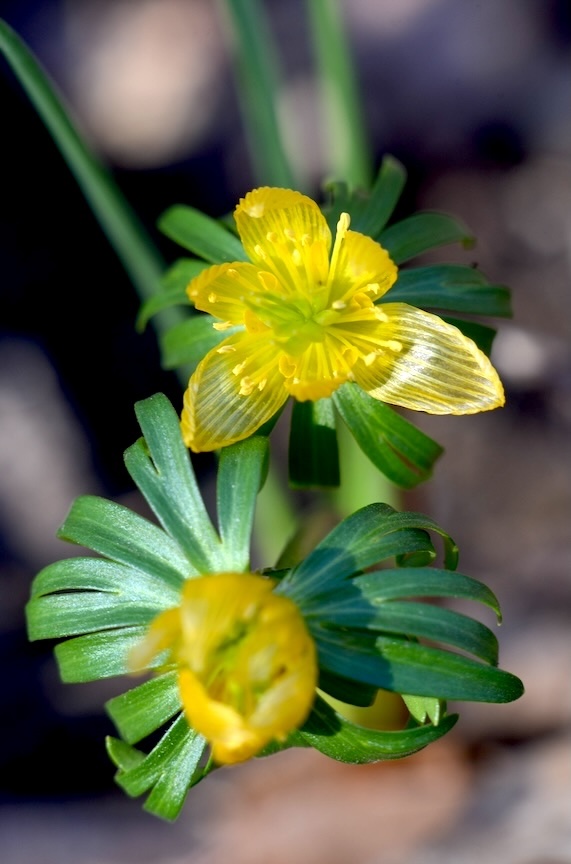
Winter aconite usually blooms with the crocus, depending on the variety and where it’s planted. The cheery yellow blooms are planted as bulbs in the fall. They spread easily, fill the garden with color for a few weeks, then go back to sleep.
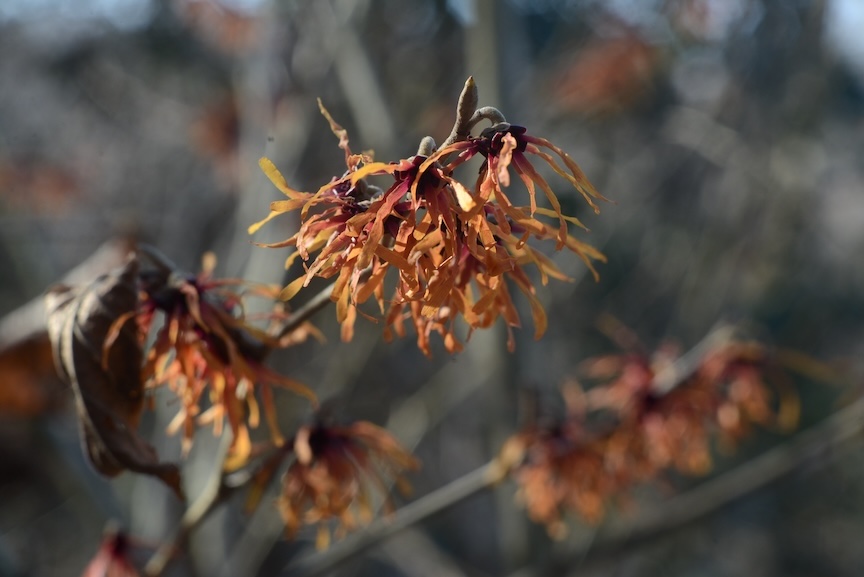
Witch hazel is a native shrub or tree, depending on the cultivar. Many will bloom in January into February and beyond. They are planted in spring or fall. The straight native species has yellow flowers. Some cultivars like ‘Diane’ have red blooms.
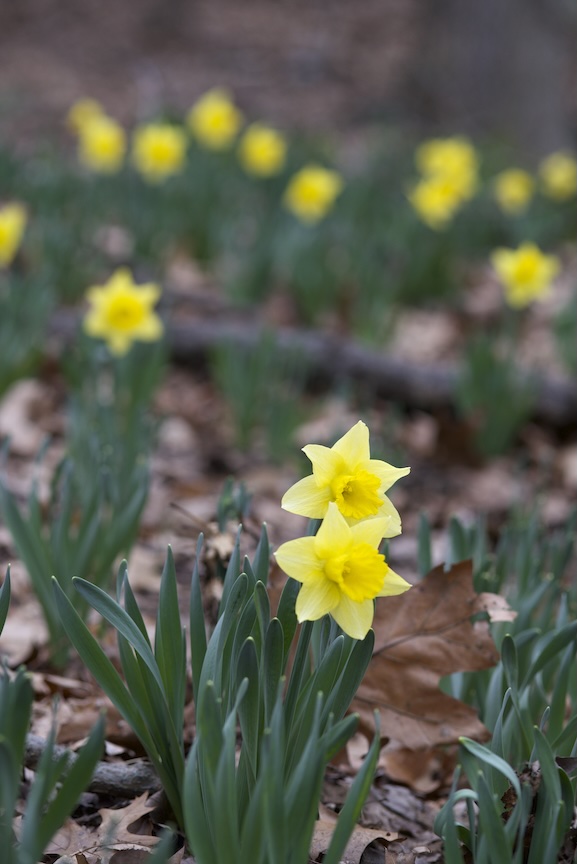
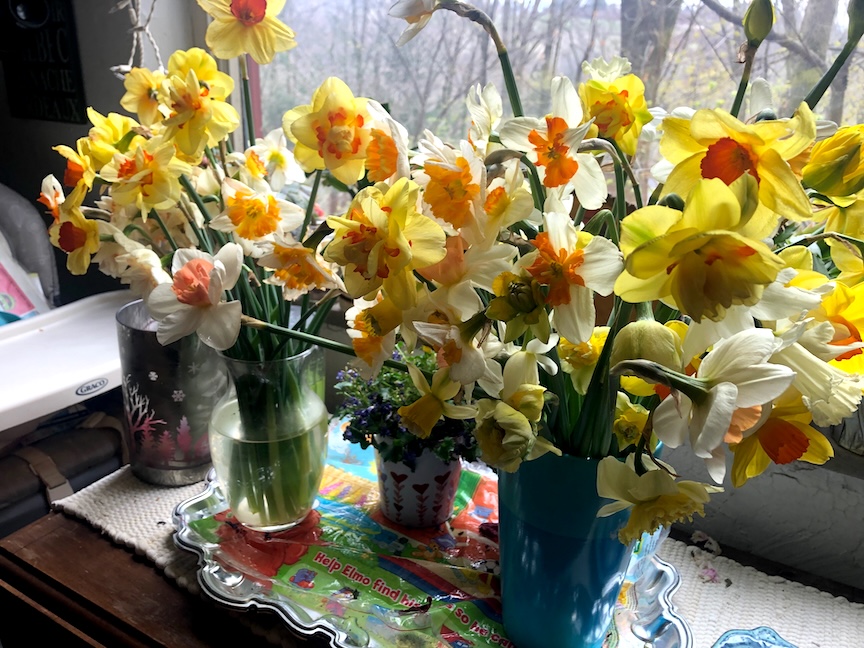
Daffodils are the harbinger of spring and some early varieties bloom alongside the snowdrops and crocus. Of all the fall planted bulbs, it’s one of the toughest and will multiply over the years.
If your daffodils have been growing for years and are not blooming as well as they should, they are probably too crowded.
They need to be divided in the spring when it’s sure that they will not bloom. A clump is dug with the foliage still attached.
Gently tease the daffodils apart, making sure to keep the leaves intact. Save the biggest bulbs and replant them in the same spot after amending the soil with compost. The smaller bulbs can also be planted in other areas in the garden and will bloom in the next season or two.
Getting started now
Many gardeners don’t plant until the last frost has passed in Mid-May, but there are lots of plants that not only survive in March and April but thrive in the cool spring temperatures.
There’s a tradition to direct sow peas on St. Patrick’s Day, but the window last well into April. The same is true for other cool loving vegetables.
Things like lettuce, radish, beets, Swiss chard, carrots, onions, kale, mustard greens, mizuna, arugula and others can also be sowed outdoors.
It’s important that the soil is ready to be worked. If the dirt sticks to the shovel it’s too wet and should not be turned over. Tilling or digging in soil that’s too wet destroys the soil structure, leaving clumps of dirt that will dry to the consistency of bricks and persist all season.
The trick to starting early during a wet spring is to dump a bag or two of compost on a bed and plant directly in the soil amendment.
Pansies and violas love cold weather too and enjoy being planted in containers. They’ll thrive until July when it gets too hot for them. It’s the perfect time to hit the garden center as annuals will be on sale that time of the year.
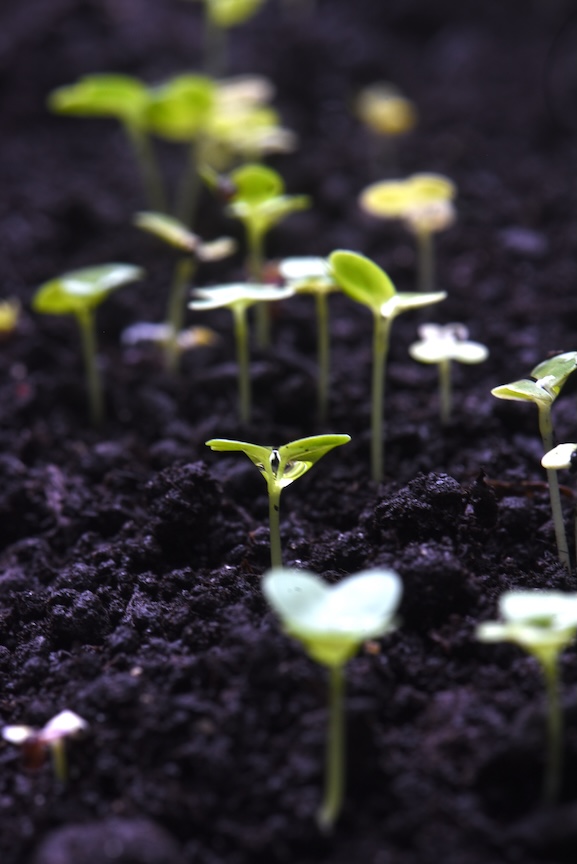
Planting seeds indoors
Some of the vegetables which are direct sowed can also be started indoors. Lettuce, beets, Swiss chard, onions, kale (and other cole crops like cabbage) and other leafy greens too.
It’s tomatoes and peppers though which are the most popular to sow inside as many varieties need a jump on the season to reach fruition before frost arrives in October.
Anyone can make these seeds sprout, but the biggest mistake gardeners make is not having a bright light source. These days that means LED lights which are hung as close to the seedlings as possible and raised as they grow.
Get some planting mix from a nursery, get it moist. The moisture content is tested by squeezing the wet mix. It should stick together without dripping.
Add the moist mix to a container with drainage, sprinkle seeds on top, add more mix, press it down and cover the whole container with clear plastic. This assures the mix will stay moist and the seeds will sprout. After the seeds germinate, remove the plastic and grow the plants out.
Feed the birds
By feeding the birds now, gardeners create a foraging route for them, which they will continue to use when feeding their young.
There’s interesting data that shows one pair of chickadees needs 4000 to 9000 insects to feed their fledglings. The birds will hunt in the garden and help us control pests.
This video from Pittsburgh Today Live shows how to make homemade suet for the birds.

Subscribe to my free gardening newsletter here
Host of "In Doug's Garden" on CBS KDKA-TV Streaming
Host of the Talking Trees podcast for The Davey Tree Expert Company
Consultant for Farm to Table Buy Fresh Buy Local
Columnist for Pittsburgh Earth Day's "The Green Voice"
Leave A Comment