
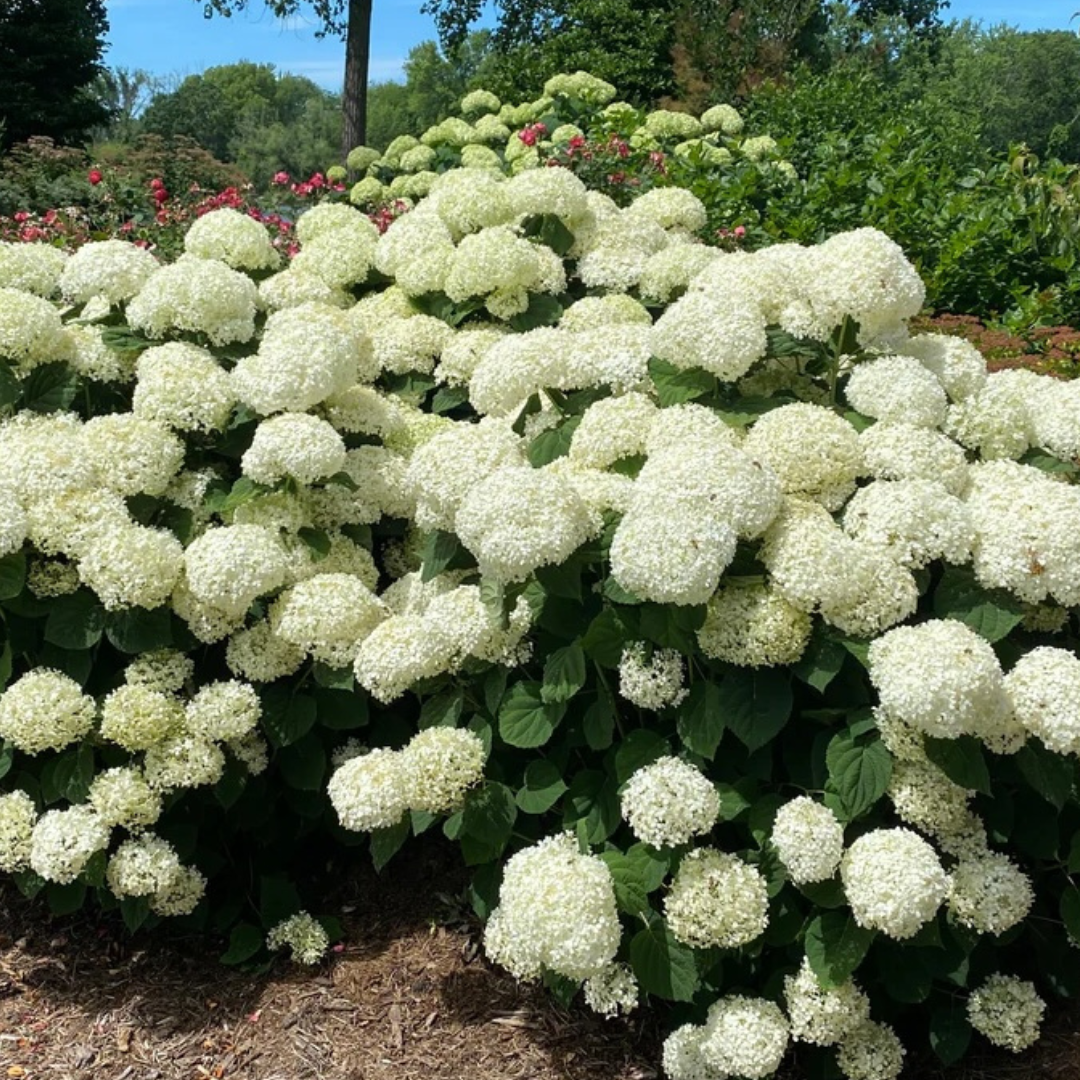

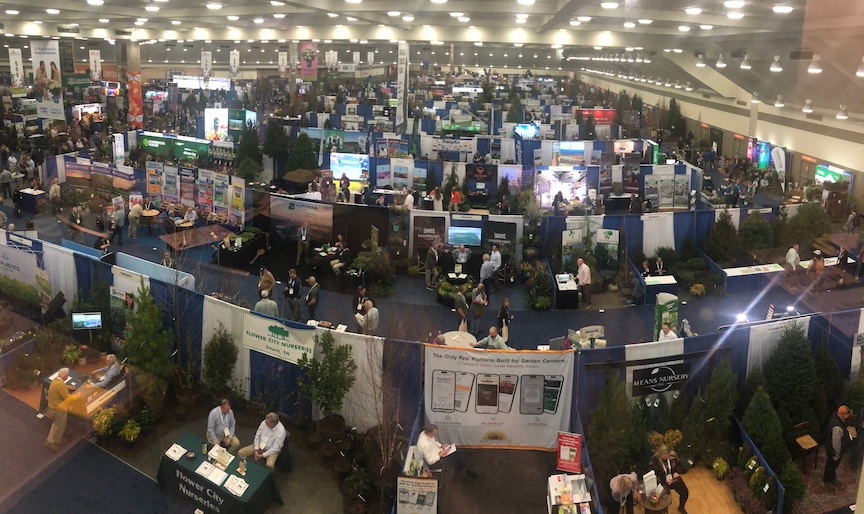
There is a tradition when I visit the Mid Atlantic Nursery Trade Show in Baltimore every January.
Kelly Finny, who is part of the team that runs the show, takes me into the show office so that I can photograph the hundreds of exhibits from above. When I posted the photo this year on social media, a friend wrote, “like a kid in a candy store.”
That’s what MANTS is like for me, a chance to geek out over the latest garden plants, products and connect with like-minded people.
I’ve had many exhibitors on my Sunday morning radio show and always enjoy interviewing experts at the show.
I talked with Natalie Carmolli, public relations specialist for Proven Winners ColorChoice Shrubs about the Deer Proof series of plants along with some other fun stuff too. We sat together on the top floor of the Baltimore Convention Center to cover a myriad of gardening subjects.
Before we got to the company’s Deer Proof collection Carmolli was excited to share news about a new hydrangea.
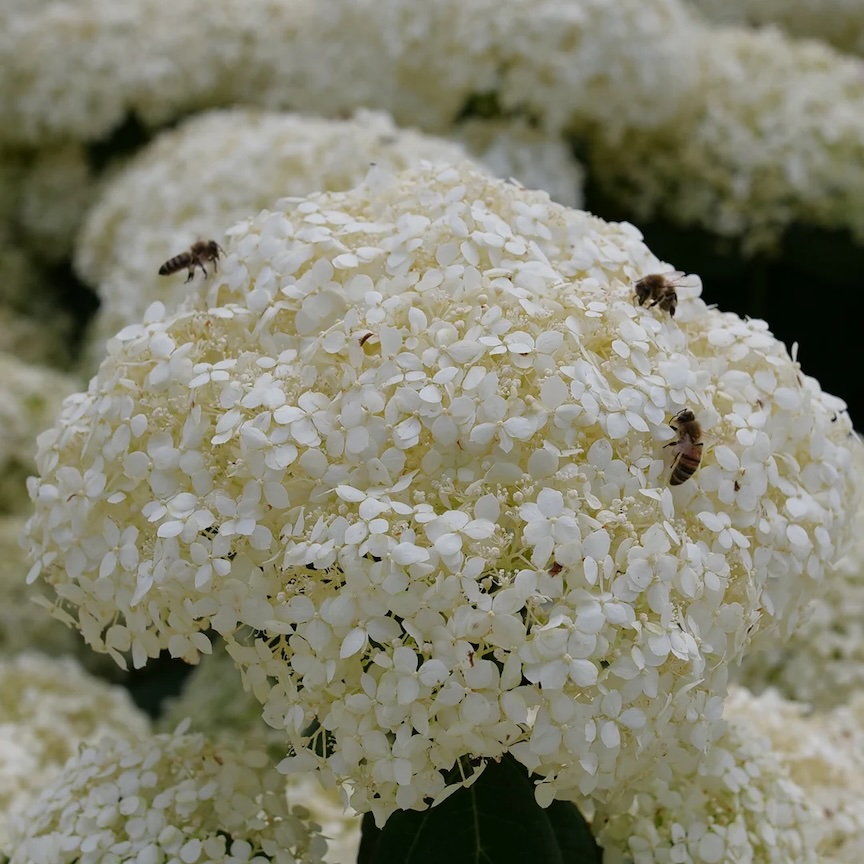
“‘Incrediball Storm Proof’ is the newest in our series of smooth hydrangeas, and it really is a breakthrough for us,” she says.
The Incrediball series was bred for strong stems and lots of basketball size flowers. This is the first introduction in the series in nearly a decade and even though the deer will nibble on the plant, it will just keep on blooming, says Carmolli.
The plant gets its name after surviving straight line winds in Michigan that tore shingles off roofs. The shrub stood tall, hence the name.
Not only is the plant bred to have more flowers, but they are also pollinator magnets too.
Smooth hydrangeas (H. arborescens) are much more reliable bloomers than the mophead varieties (H. macrophylla). They bloom on branches that sprout in the spring, called new wood as opposed to flowering on buds which sit all winter waiting to open (like macrophylla).
Communicating with gardeners and garden pros all over the country, Carmolli hears the same story repeatedly about plants being ravaged by deer.
Her team referenced Rutgers University data which ranked shrubs for deer resistance, many of the most resistant are part of the Deer Proof program.
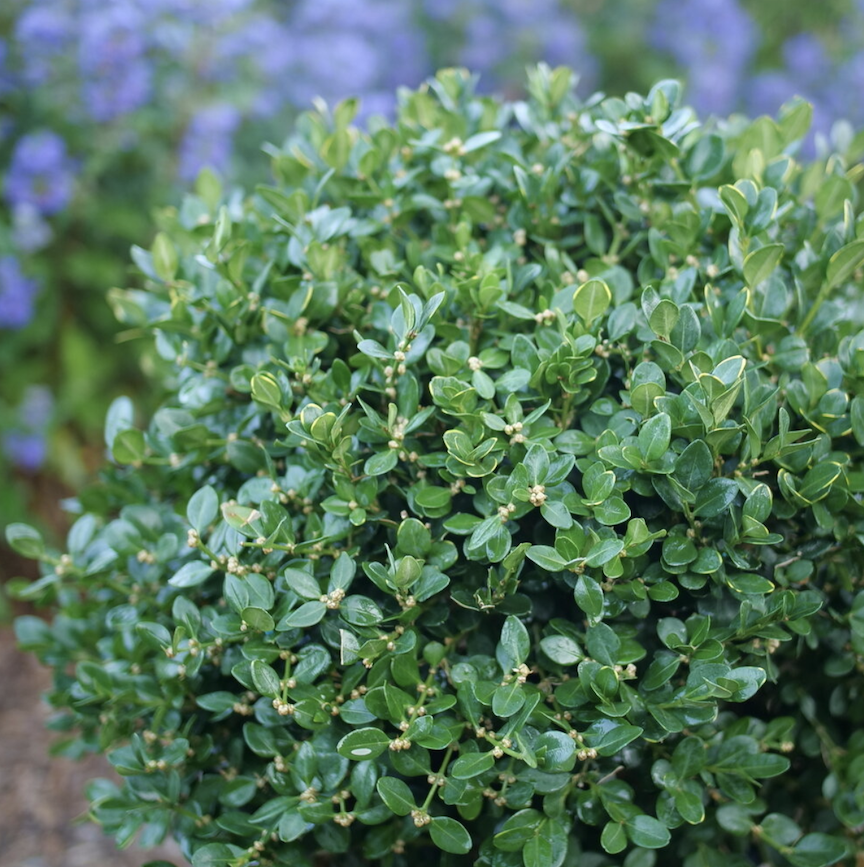
Boxwoods are one of the first plants on her list and ‘Neatball’ is a new introduction.
“It's a really cute little round, you know, globe-shaped boxwood, she says, great for a container if you want to put a couple of containers by your front door because it's going to stay nice and small.” It’s not meant to be a hedge, but a diminutive addition to the landscape.
Carmolli adds that smaller plants have been a trend with plant breeders and nurseries. “People want to garden in different situations, she adds, people living in an apartment building, it's no longer stopping them from gardening. They're gardening on their patio in containers.”
Proven Winners has partnered with NewGen, who introduced some of the first blight resistant boxwoods. ‘Independence’ and ‘Freedom’ are two varieties. ‘Freedom’ is a faster grower, reaching about three and a half feet tall and wide. The plant adds approximately three to six inches of growth a year. Boxwood blight has become a problem for the plant, and these new introductions can fight off the disease.
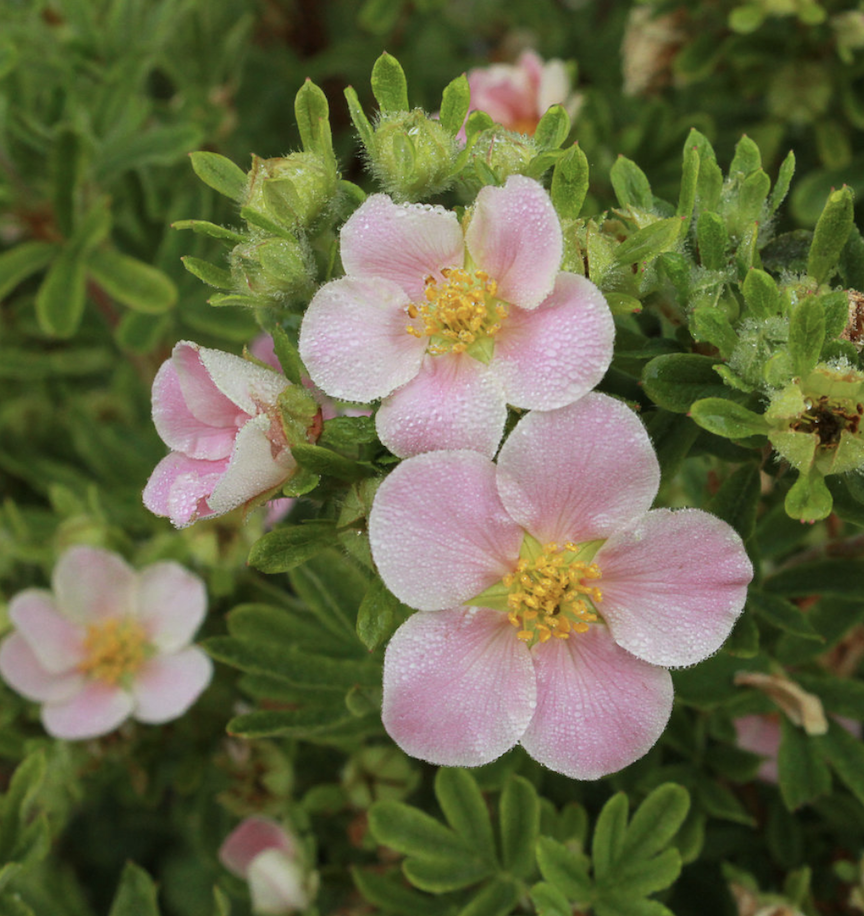
Potentilla is commonly referred to as buttercup bush, that’s fine for varieties with yellow flowers, but there are other colors too. The sun loving, tough shrub is long bloomer with summer flowers that can last until frost. “It's got adorable, tiny little delicate foliage on it, and the deer don't touch it,” Carmolli says of the shrubs.
Proven Winners ColorChoice Shrubs offers the popular yellow and white flowers but has introduced one with orange flowers and some with pink blooms too. Happy Face ‘Pink Paradise’ is two feet tall and three wide with pretty pink semi double flowers. “You can put that baby in full sun in a droughty condition, and it will not care,” adds Carmolli.
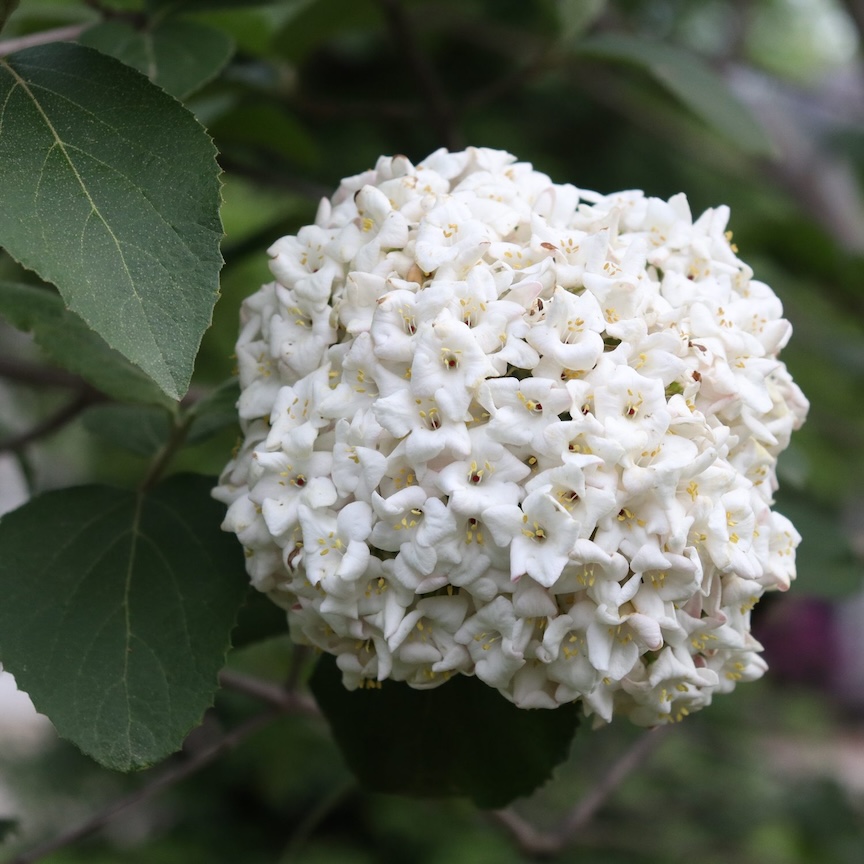
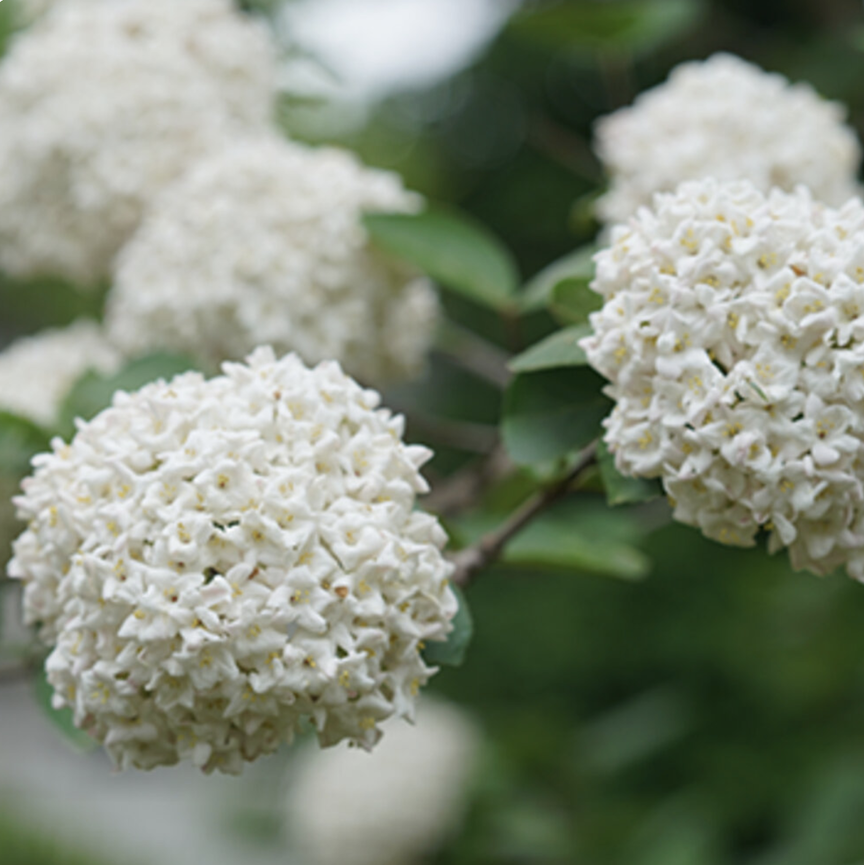
“So another great plant in the Deer Proof collection is our new Korean spice viburnum called ‘Spice Cowboy’ viburnum,” she adds. The plant has beautiful round, white spring blooms with a strong, sweet fragrance. The shrub will reach six to 10 feet and four or five wide. “Viburnum is a great shrub because it blooms so early, and there’s nothing like that fragrance,” she says with a smile.
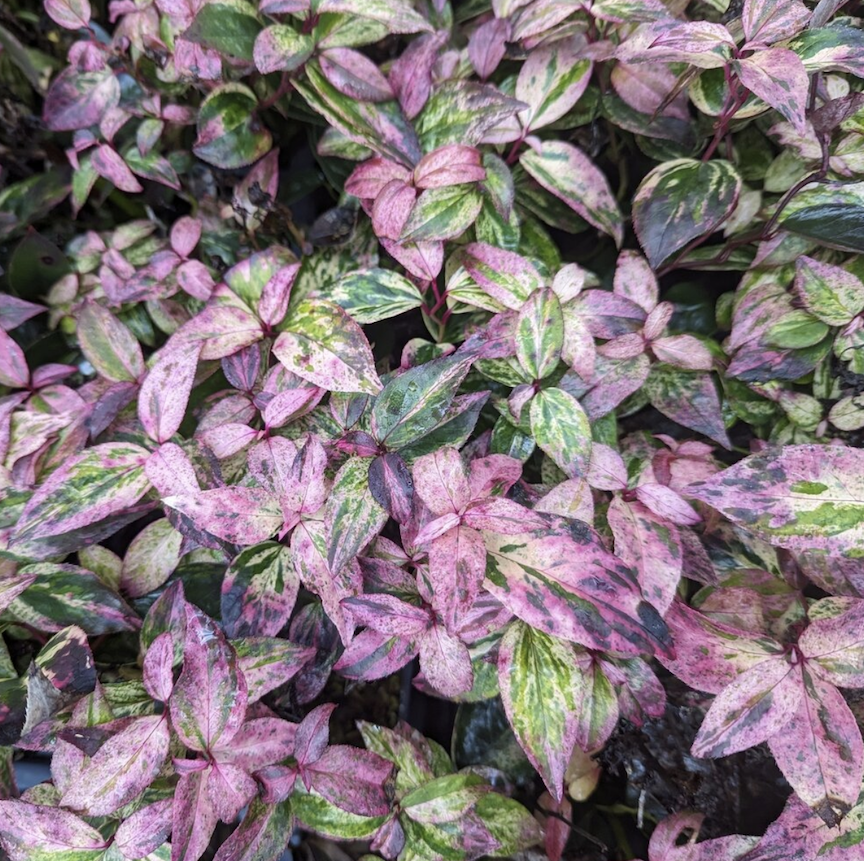
Leucothoe is a native shrub and the variety ‘Paisly Pup’ is a broadleaf evergreen. “It's got that variegated foliage that with the weather will turn different colors. “You're going to get the purple in it when it's a little cooler, and then it's going to variegate into a green and a white. Then you'll get a little more purple again when it's cooler in the end of the season.”
Carmolli sends plants all over the country for evaluation and is always pleased when one gets wide approval. “It makes you feel really proud when people come back and say, Yeah, that did everything you said it would do; it makes you feel proud to be associated with it.”
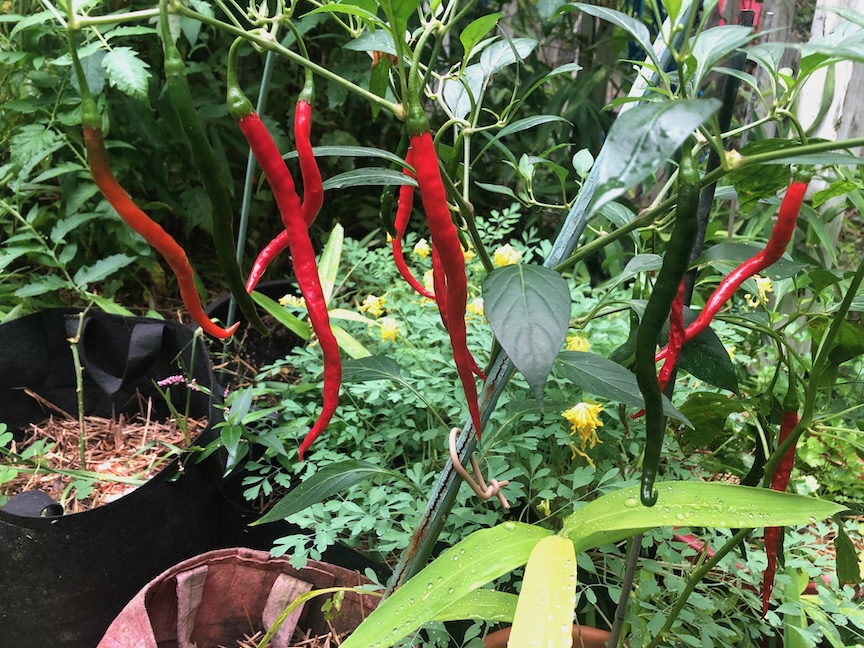
The booth for Root Pouch is always a must-see exhibit.
The fabric containers are made of recycled water bottlers and come in just about any size imaginable for home gardeners and professional growers alike.
I’ve interviewed owner Ashley Fromm many times at the show, she explains the process of how the discarded water bottle are converted into lightweight, reusable planters. “What we do is we break down the water bottles, she says, when it's all broken down into its fibers, it feels a lot like cotton. That helps us allow to mix the cotton and natural fibers in with the fabric to create our five different densities of fabrics depending on how you grow.”
Just about anything can be grown in the containers, Fromm says gardeners enjoy the 15 gallon up to 65 gallon for growing potatoes. “A lot of people love to just like fill them up and then you can roll them up and roll them down and pop the potatoes out in the bags,” she says.
Many of the Root Pouches have handles, making it easy to move around the garden.
Another advantage to these fabric pots is that they can absorb water from the soil they are sitting in. Some growers dig a shallow, two or three-inch hole to sit the container in. “The natural fibers draw the water from surrounding soil,” Fromm remarks. “Even if it's just on the ground, then the little feeder roots will come from the bottom, which is always exciting to see the growth through the pouch.”
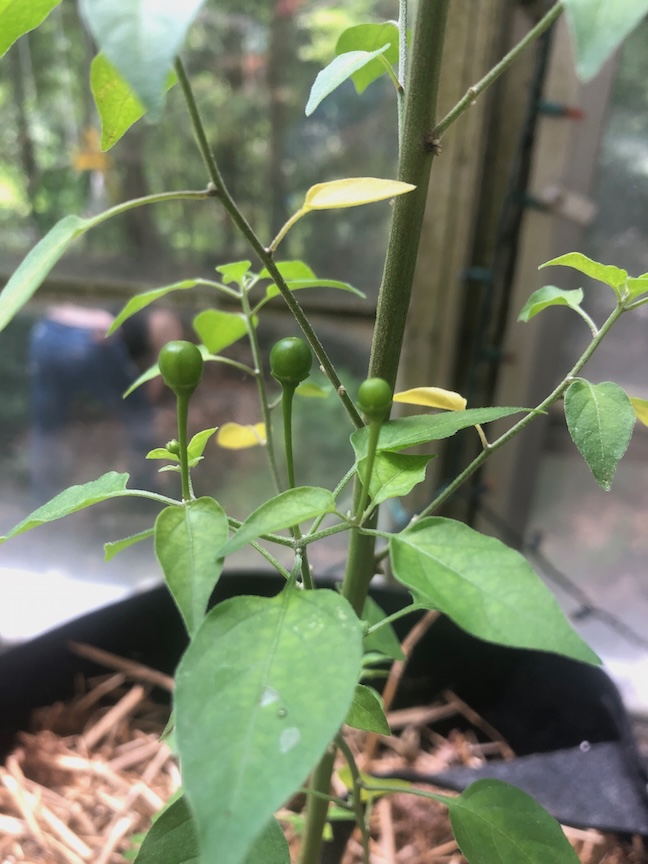
Fromm is proud of the work Root Pouch is doing to help the environment. “What's really cool is it takes the water bottles out of the landfill and also prevents new plastic pots from being in the landfill as well. I just delivered one to a customer that they've diverted over 300,000 water bottles since they've been using the root pouches.”
When I did meet with my friend Kelly Finny, I overheard him talking about an innovative environmental project at the Baltimore Convention Center called the Donation by Diversion Program.
He connected me with Tyler Debella, she is director of operations at the convention center who mentions that MANTS is the biggest contributor when their show is over, but every event at the convention center participates in one way or another.
Instead of all the plant material and other things at MANTS that are left behind going to the landfill, they are rescued and donated to many different local organizations.
“In 2025 the show as a whole had 217 plus tons of waste, however 82.41 percent of that waste was able to be saved and diverted from a landfill through this program,” Debella says proudly. “All of that would normally just go to landfill or the plants would be wood chipped, ect.”
That included over 400 trees, not to mention all the other plants which found good homes.
When the program began, six main groups benefited, now it has grown to close to 30 organizations. “The impact really has spread even outside of the boundaries of Baltimore City to find homes for these trees and plant materials, which is really amazing,” says Debella. The Baltimore Tree Trust, many non-profits and smaller organizations or neighborhoods all benefit from the program along with others. “I would say that the most popular requests that we have from the organizations, they are always looking for native, pollinator friendly or fruit trees or plants,” she adds.
The convention center received Sustainable Event Standard Gold certification, “which is huge for our building and industry,” says Debella.
The scope of what’s done here when the show ends is remarkable and continues to grow.
“One of the things that's really hard is just to get people to imagine the scale and the effort that goes into this,” she says. “We were getting between 25 tons to 35 tons of trees and plant materials. In 2024, we doubled that to 70 tons, then last year, we doubled it again to 132 tons.”
Debella was excited to talk about the program and how it’s helping the city in many ways. “The value of this is not only the value of the items that are being donated, I think that's the obvious reason, but the Baltimore Convention Center as a whole has an obligation to the community of Baltimore City. We're here for the community, and that's really the purpose is to watch Baltimore thrive. It's a really rewarding experience.”
The MANTS show is for industry professionals and media, it’s not open to the public.
How to grow microgreens on the windowsill
If you’re looking for a fun winter project, try growing microgreens. They are highly nutritious, tasty and tender. All that’s needed is any container with drainage, some moist planting mix and some seeds.
Fill the container with the planting mix, add seeds, cover with clear plastic until the spout. The sprouts can be harvested when first appearing or over a few weeks. Seeds of radishes, beans, beets, leafy greens, kale and other cole crops, onions, herbs like basil, sunflowers, nasturtiums and many more work perfectly.
It’s fun, easy and a great project for kids along with grand kids.

Subscribe to my free gardening newsletter here
Host of "In Doug's Garden" on CBS KDKA-TV Streaming
Host of the Talking Trees podcast for The Davey Tree Expert Company
Consultant for Farm to Table Buy Fresh Buy Local
Columnist for Pittsburgh Earth Day's "The Green Voice"
Leave A Comment